
Verified Local Directory
Mana Village: First Village of India – A Complete Guide
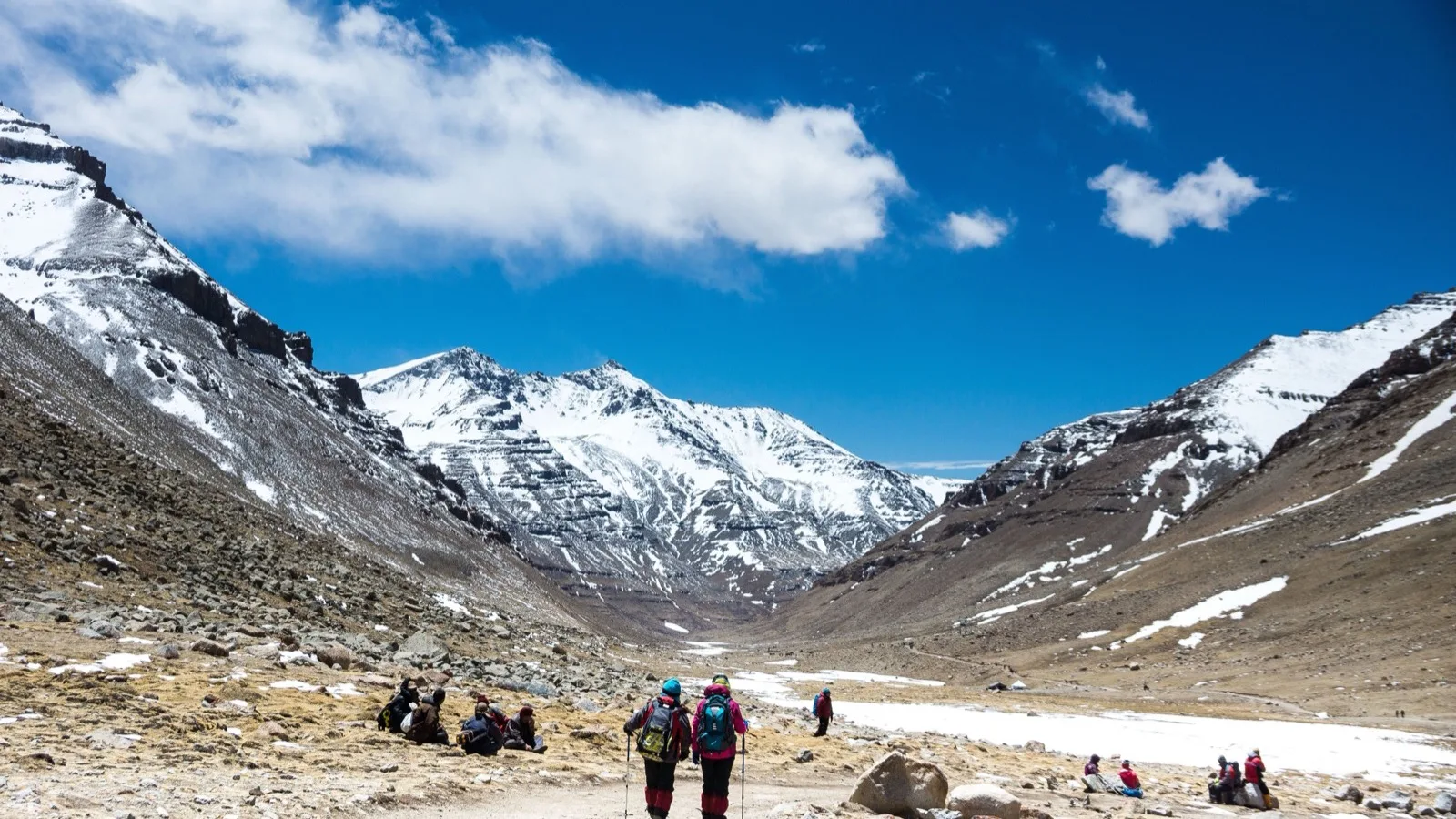
Mana Village, proudly known as the “First Village of India,” is a mystical Himalayan settlement located in Chamoli district of Uttarakhand, just a few kilometres from the sacred Badrinath Dham.
 By Spiritual Yatra
4 min read

Mana Village: First Village of India – A Complete Guide

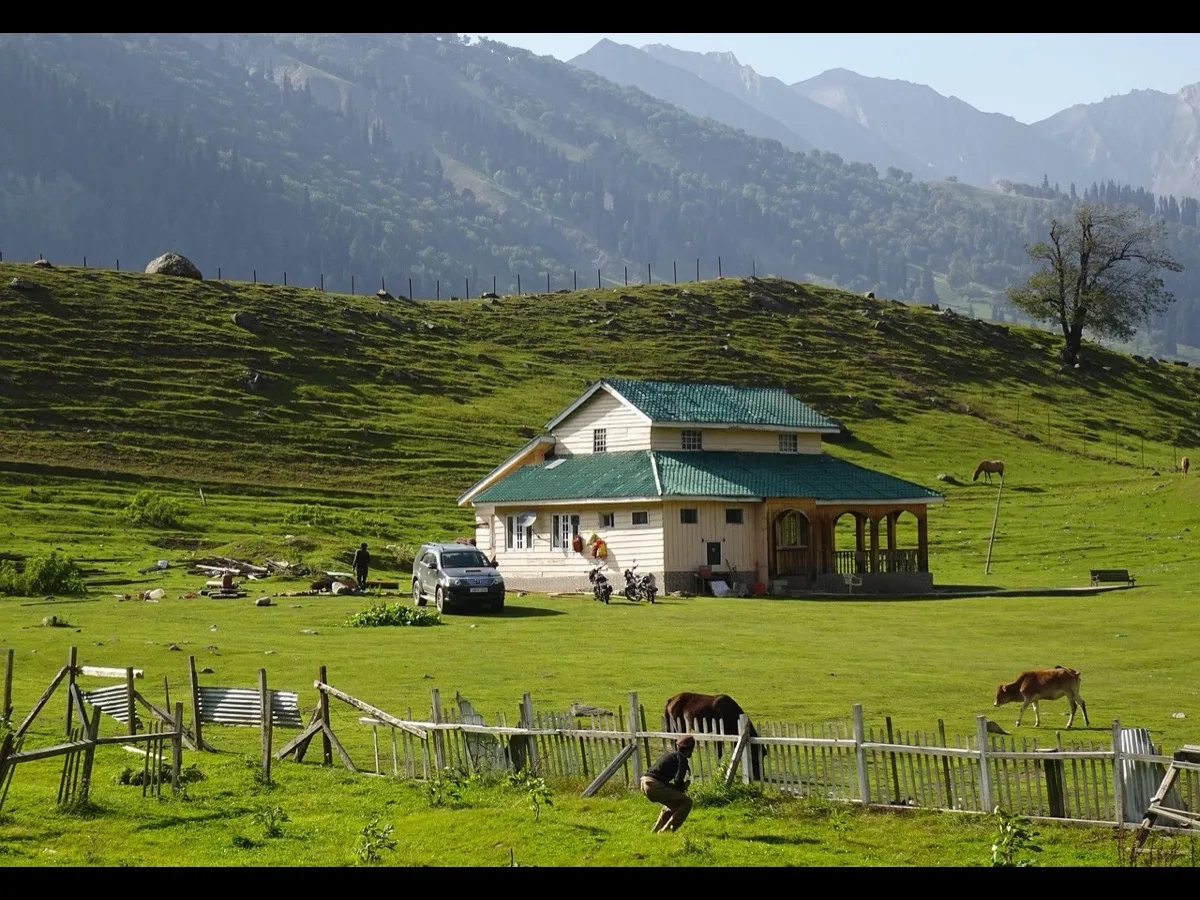
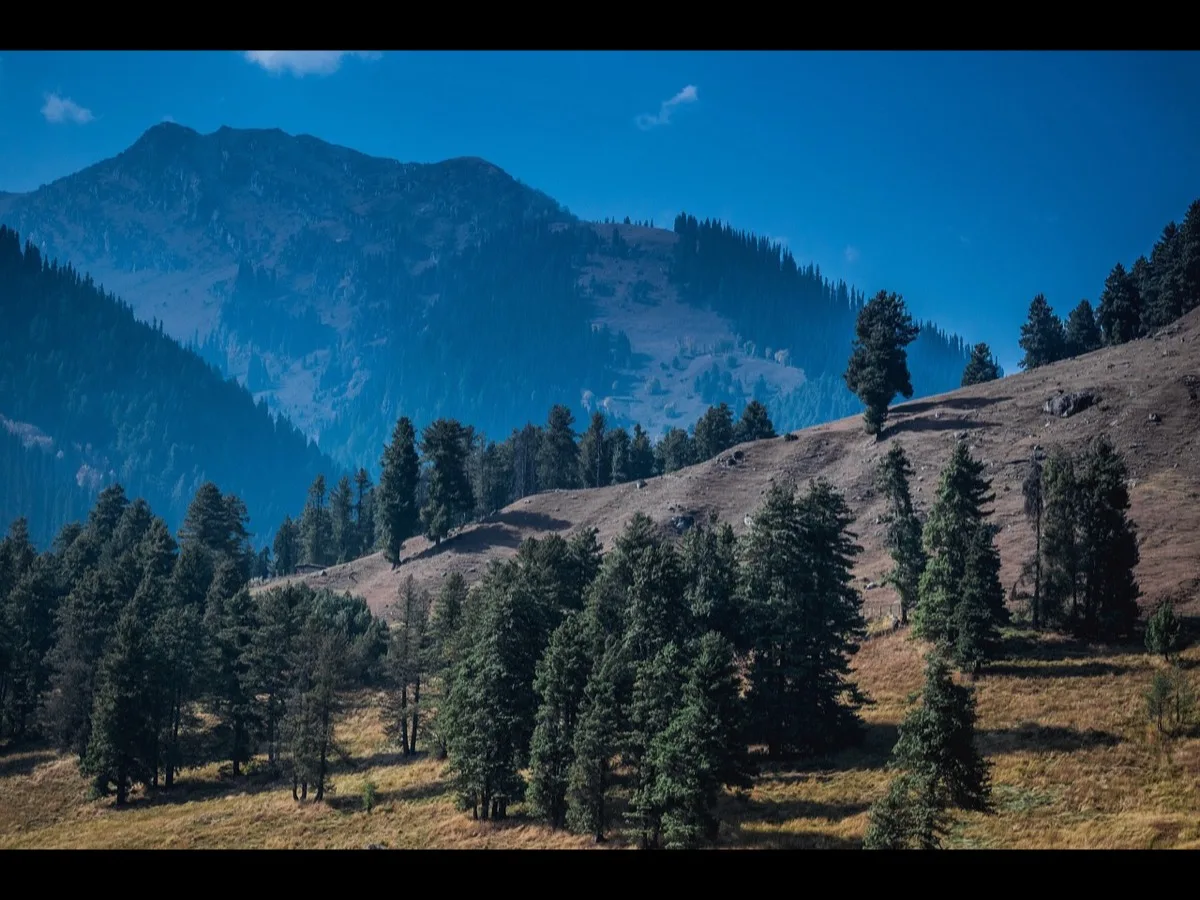
Mana Village, proudly known as the “First Village of India,” is a mystical Himalayan settlement located in Chamoli district of Uttarakhand, just a few kilometres from the sacred Badrinath Dham. This high-altitude village, surrounded by snow-clad peaks and pristine rivers, offers a rare blend of spirituality, mythology, culture, and adventure, making it a must-visit destination for pilgrims and nature lovers alike.
Location, Altitude and Significance
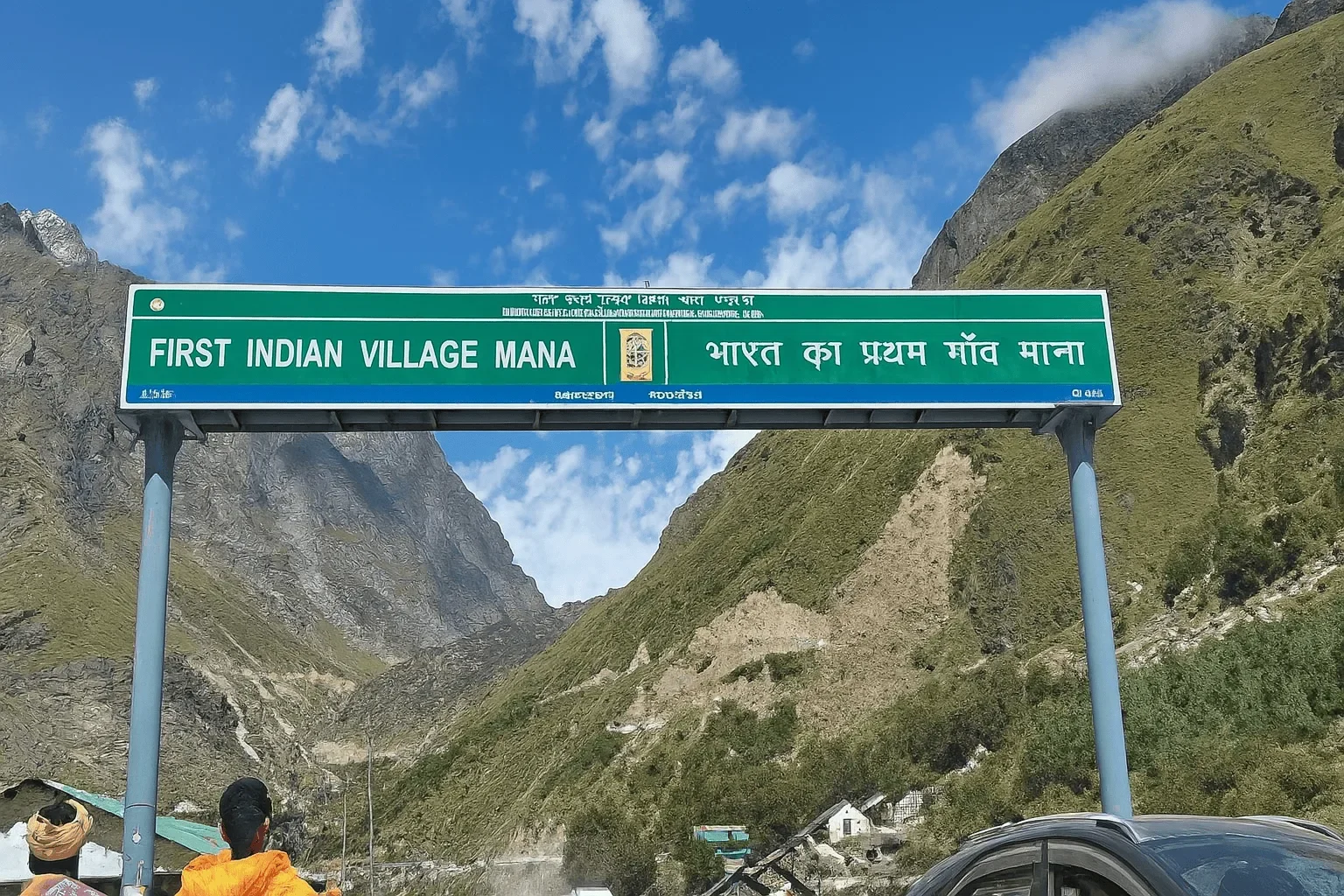
Mana is situated at an altitude of around 3,200 metres above sea level, near the Indo-Tibet border, at the northern end of National Highway 7. Once known as “India’s Last Village,” it has now been symbolically rebranded as the “First Indian Village,” highlighting its importance as a vibrant border settlement rather than a remote outpost. The village lies about 3 km from Badrinath Temple, making it a natural extension to the Char Dham pilgrimage circuit.
Mythology and Spiritual Heritage
Mana is deeply rooted in the epics of India, especially the Mahabharata. Local belief holds that the Pandavas passed through Mana on their final journey towards Swargarohini, the path to heaven, lending the valley its aura of spiritual transition. The village is also home to ancient caves like Vyas Gufa and Ganesh Gufa, where sage Ved Vyasa is believed to have composed the Mahabharata with Lord Ganesha as his divine scribe.
Places to Visit in Mana Village
-
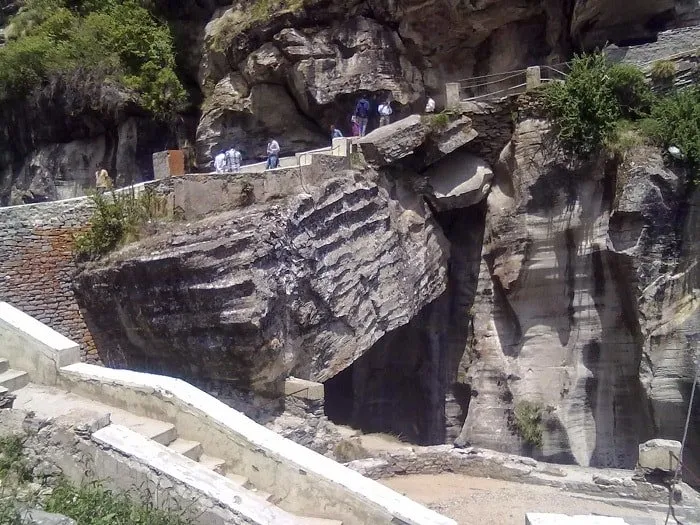
Bheem Pul: A natural rock bridge over the roaring Saraswati River, believed to have been placed by Bheem so that Draupadi could cross the stream safely. Standing on Bheem Pul offers dramatic views of the river gorge and the surrounding Himalayan cliffs.
-
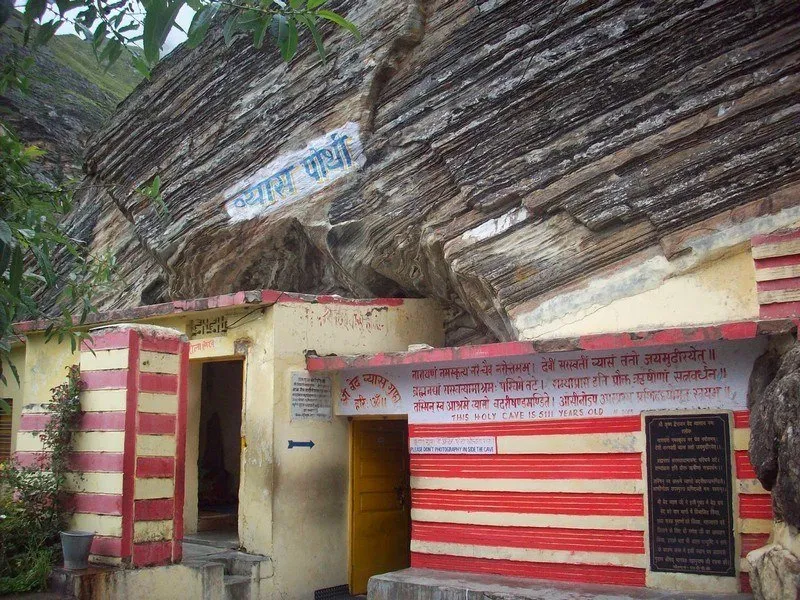
Vyas Gufa: A sacred cave associated with Ved Vyasa, revered as a living memory of India’s epic literary tradition.
-
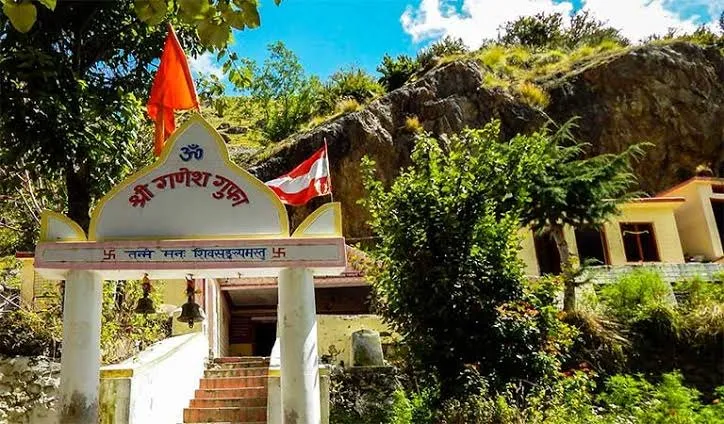
Ganesh Gufa: Another cave shrine linked to Lord Ganesha as the divine writer of the Mahabharata; both caves are important spiritual stops for pilgrims.
-
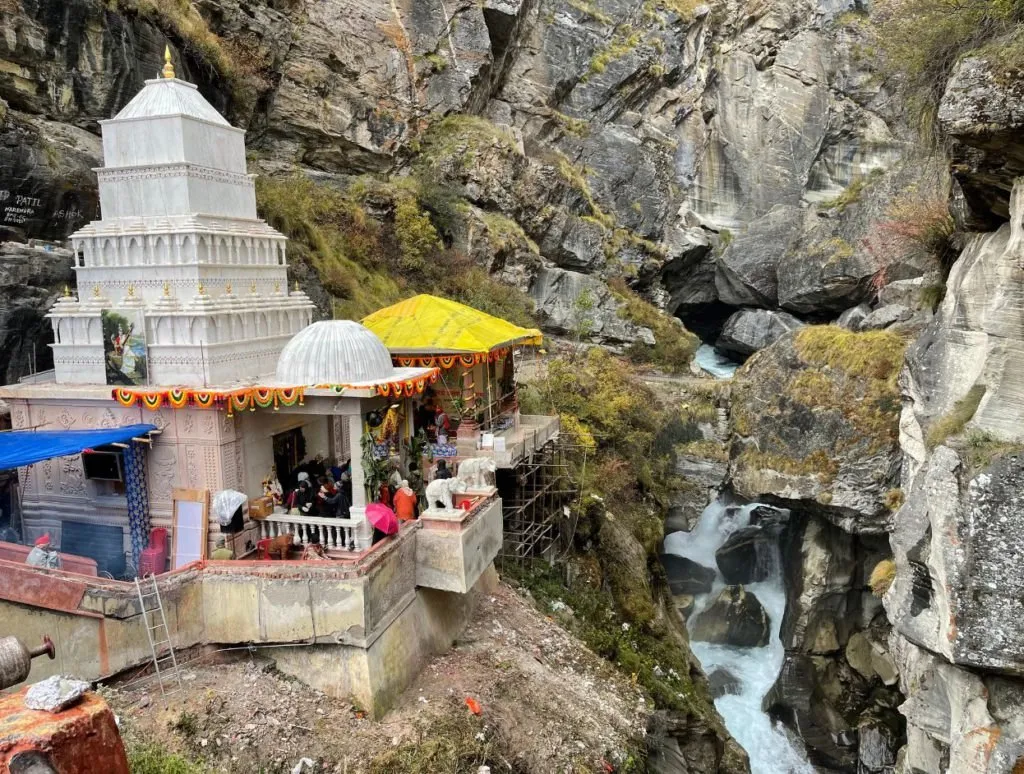
Saraswati River and Keshav Prayag: The visible stretch of the mystical Saraswati River near Mana and its confluence with the Alaknanda is considered highly sacred by devotees.
-
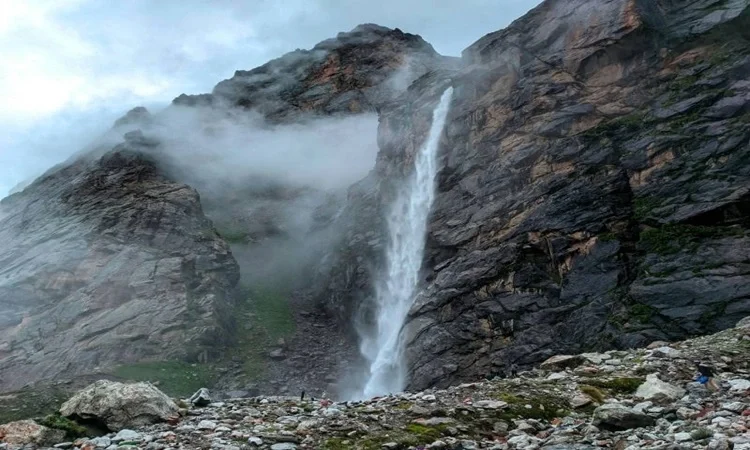
Vasudhara Falls: A stunning waterfall about 5–7 km trek from Mana, popular among trekkers and spiritual seekers who believe its waters bless only the pure-hearted.
Culture and Community
Mana is inhabited primarily by the Bhotiya community, an Indo-Tibetan ethnic group with a rich cultural heritage. Traditionally, locals have engaged in wool weaving, yak rearing, and collection of Himalayan herbs, and many houses display colourful handwoven garments and carpets. Due to harsh winters and heavy snowfall, the village is largely occupied during the summer months, typically from May to October, when tourism and pilgrimage activity peaks.
How to Reach Mana Village
The gateway town to Mana is Joshimath, which is well connected by road to Rishikesh, Haridwar, and other major towns of Uttarakhand. The nearest airport is in Dehradun, about 300 km away, while the closest major railway station is Rishikesh, roughly 270 km from the region. From Joshimath, travellers proceed to Badrinath and then continue by a short scenic drive of a few kilometres to reach Mana Village.
Best Time to Visit
The ideal time to visit Mana is from May to early November, coinciding with the opening of Badrinath Temple and favourable weather conditions. During winter, heavy snowfall renders the area inaccessible and most residents migrate to lower altitudes, so services and accommodation options are limited or closed.
Travel Tips and Responsible Tourism
- Carry warm clothing, even in summer, as temperatures can drop sharply in the evenings at high altitude.
- Walk respectfully through the narrow village lanes, avoid loud noise, and always seek permission before photographing locals.
- Support local homestays, tea stalls, and handicraft shops such as the “first tea shop of India” and traditional woollen outlets, which are an important source of income for villagers.
- Keep the Himalayan environment clean by avoiding plastic litter and following Leave No Trace principles on treks like the route to Vasudhara Falls.
Quick Snapshot of Mana Village
| Aspect | Key Details |
|---|---|
| Status | Officially promoted as “First Village of India” near the Indo-Tibet border |
| Altitude | Around 3,200 m above sea level |
| Distance from Badrinath | Approximately 3 km by road |
| Main Community | Bhotiya (Indo-Tibetan origin) |
| Major Attractions | Bheem Pul, Vyas Gufa, Ganesh Gufa, Saraswati River, Vasudhara Falls |
| Best Season | May to early November |
From a spiritual tourism perspective, Mana Village offers an excellent opportunity to design experiences that merge pilgrimage to Badrinath with mythological storytelling, soft adventure trekking, and community-based tourism with the Bhotiya households. Its branding as India’s “First Village” aligns well with narratives of border vibrancy, cultural resilience, and Himalayan heritage, making it a powerful destination to feature in guidebooks, websites, and wellness or spiritual travel itineraries.
Keep Reading
View All Articles-
Sacred Shaktipeeth of Goddess Kali: The Bhimakali Himachal Pradesh
Bhimakali Temples are sanctuaries of the Bushahr rulers of Rampur Golden finials representing the sun and the moon pierce the skies firom the roofs of the Bhimakali Temple's main shrines
-
The Ajmer Dargah: A World-Revered Sufi Shrine of Healing
The Dargah of Khwaja Moinuddin Chishti in Ajmer is one of the most important Sufi shrines in the Indian subcontinent.
-
Five excursions in Uttarakhand - A monsoon Guide
The initial rainfall of the monsoon not only provides a brief respite from the intense heat but also revitalises the verdant foliage of the natural world.