


Festival & Utsav
Karthigai Deepam : most sacred Hindu festivals of lights
Karthigai Deepam (also spelled Karthikai Deepam or Thirukarthigai) is one of the oldest and most sacred Hindu festivals of lights, primarily celebrated in Tamil Nadu as well as across Kerala, Andhra Pradesh, Telangana, and Karnataka.
 By Spiritual Yatra
2 min read
Most sacred Hindu festivals of lights
In 2026, Karthigai Deepam is observed on Tuesday, November 24. It occurs on the full moon day (Pournami) of the Tamil month of Karthigai (November–December) when the moon aligns with the Karthigai (Krittika / Pleiades) constellation.
Spiritual & Mythological Significance
-
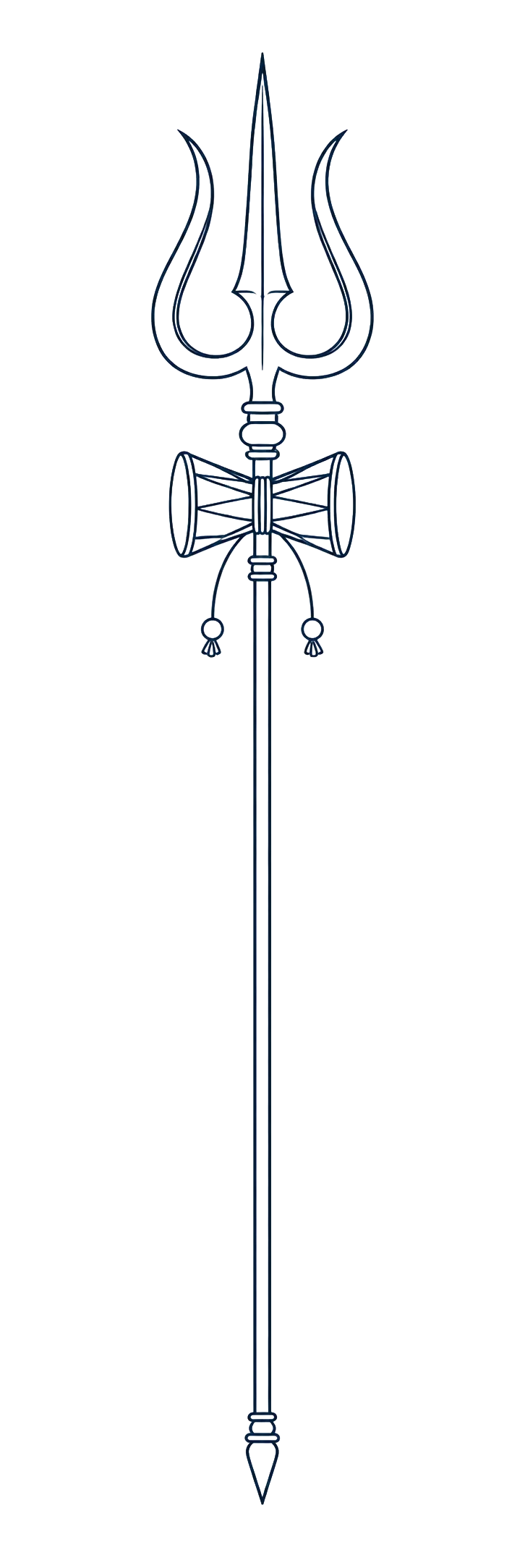
Shiva as the Infinite Pillar of Fire (Lingodbhava): According to Hindu mythology, when Lord Brahma and Lord Vishnu disputed over who was supreme, Lord Shiva manifested as an endless, blazing column of cosmic light (Jyotirlinga) to humble their egos. Neither could find its beginning or end. Shiva later cooled down into the sacred Arunachala Hill in Tiruvannamalai, declaring that he would appear as a beacon of light on its summit every Karthigai.
-
Birth of Lord Murugan (Kartikeya): The festival also honours Lord Murugan. Six sparks from Shiva’s third eye took the form of six babies in the Saravana Poigai pond and were nurtured by the six celestial nymphs known as the Krittikas. On this day, Goddess Parvati embraced all six infants together, uniting them into the six-faced deity Shanmuga.
-
Philosophical Meaning: Lighting a clay lamp (agal vilakku) symbolizes dispelling inner darkness and ignorance. Metaphorically, the clay lamp represents the human body, the oil represents ego and base desires, the wick represents the mind, and the flame represents divine wisdom burning away the ego.

Key Rituals & Traditions
-
The Tiruvannamalai Maha Deepam: The grandest celebration takes place at the Arunachaleswarar Temple in Tiruvannamalai, Tamil Nadu. At 4:00 AM, the Bharani Deepam is lit inside the temple sanctum. At dusk (around 6:00 PM), the colossal Maha Deepam—fueled by tons of ghee and a massive cloth wick—is lit atop the 2,668-foot Arunachala Hill, visible for miles around as millions of devotees undertake the Girivalam (circumambulation of the hill).
-
Lighting Agal Vilakku at Home: At twilight, households clean their homes, draw decorative kolams (rangoli), and arrange rows of traditional earthen lamps (agal vilakku) filled with sesame oil or ghee across thresholds, balconies, courtyards, and prayer rooms.
-
Chokka Panai / Jwala Thoranam: Outside Shiva and Vishnu temples, tall bonfires made of dried palm leaves (Chokka Panai in Tamil Nadu) or suspended grass arches (Jwala Thoranam in Telugu states) are lit at night to symbolize Shiva’s fiery manifestation.
-
Traditional Festive Foods: Families prepare special offerings (naivedyam) and sweets, most notably Pori Urundai (crisp puffed rice and jaggery laddoos), Nel Pori (sweetened popped paddy), Appam (sweet rice-jaggery pancakes), and Adhirasam.

Note: On the pan-Indian lunar calendar, this same full moon coincides with Kartik Purnima and Dev Deepawali in Varanasi.
Keep Reading
View All Articles-
Dev Deepawali in Haridwar and Varanasi
Dev Deepawali (or Dev Diwali) the "Diwali of the Gods" is observed on Kartik Purnima, the full moon of the Hindu lunar month of Kartik
-
Playing Holi with Butter at Dayara Bugyal Holi in the monsoon
Playing Holi with Butter at Dayara Bugyal Holi in the monsoon, and with only butter and curd milk as the colours! Well, there is no need for us to be surprised.
-
Diwali Significance, History & 5-Day Festival Guide
Explore the spiritual meaning, myths, and history of Diwali. Discover the significance of the 5-day celebration of the festival of lights