




Heritage & Architectural Wonder
Sri Lakshmi Narayani Golden Temple : Sripuram
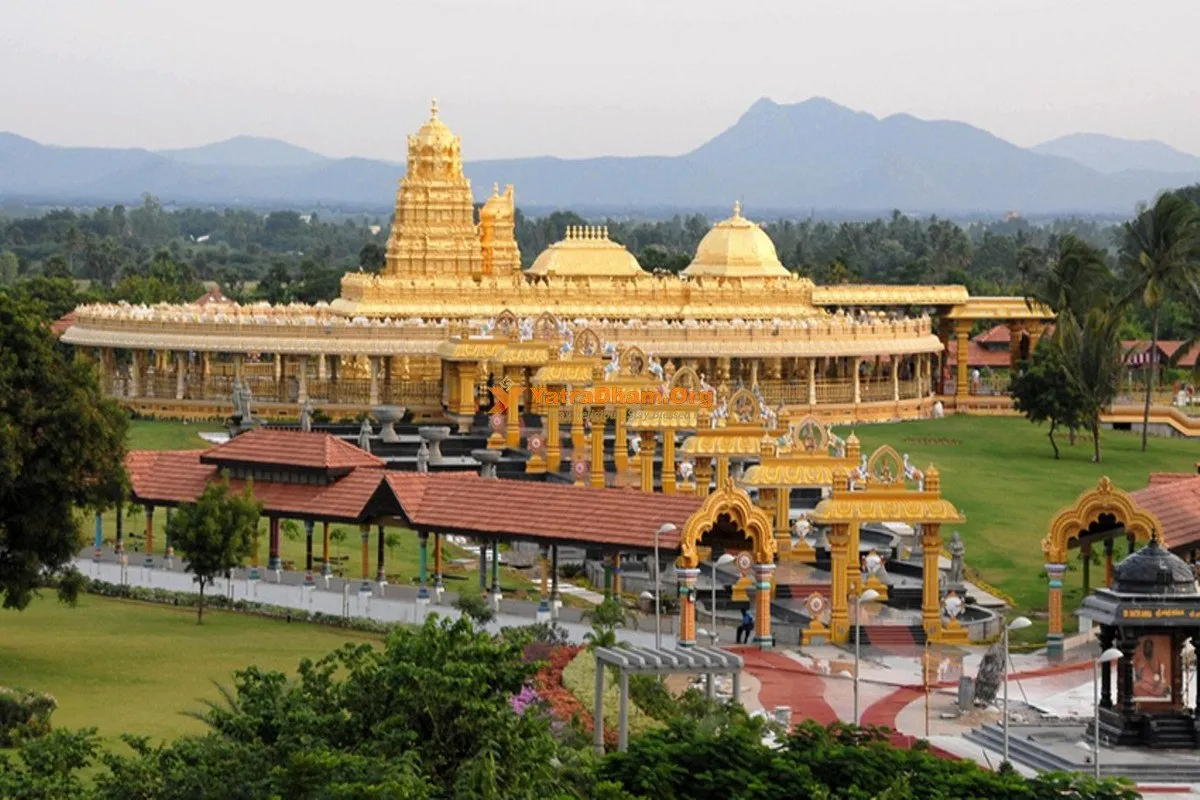
Sri Lakshmi Narayani Golden Temple, is a famous spiritual center in Southern India. It is located in Thirumalaikodi, a small suburb near the city of Vellore in Tamil Nadu.
 By Raj K. Vashyan
8 min read
By Raj K. Vashyan
8 min read

Sripuram Sri Lakshmi Narayani Golden Temple: A Study of the Spiritual and Cultural Oasis in Vellore
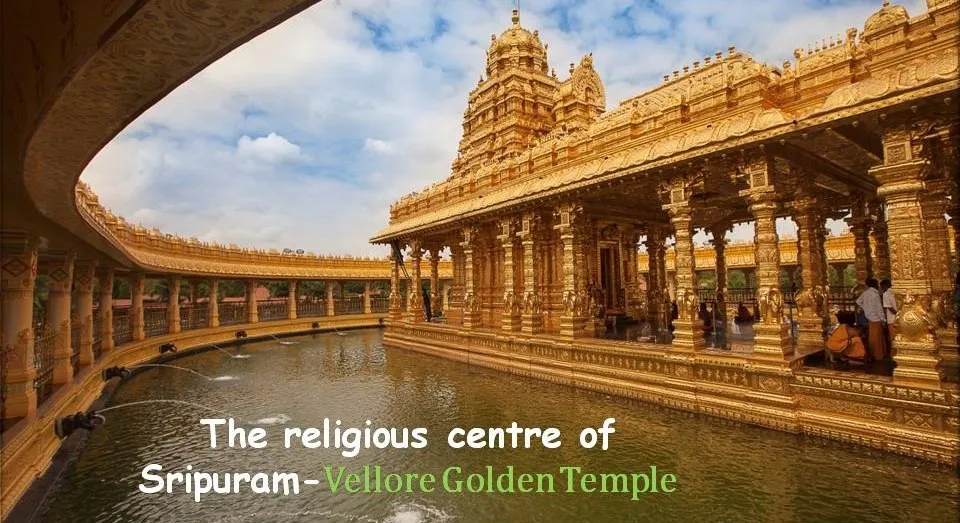
The Sripuram Golden Temple, also known as the Sri Lakshmi Narayani Golden Temple, is a famous spiritual center in Southern India. It is located in Thirumalaikodi, a small suburb near the city of Vellore in Tamil Nadu. This temple is dedicated to Goddess Sri Lakshmi Narayani, who is the deity of wealth, prosperity, and peace. The entire complex covers 100 acres of land and features beautiful green gardens and multiple traditional shrines. It is open to people of all religions and backgrounds, serving as a global center for peace.
The Visionary Leader and the Foundation of Sri Narayani Peedam
The temple complex was created through the vision of Sri Sakthi Amma, a spiritual leader also known as Narayani Amma. From a very early age, Amma showed a deep interest in spiritual life, regular worship ceremonies, and temple visits. On May 8, 1992, Amma declared the avatar of Goddess Sri Narayani to help humanity and support people in need.
At the age of 16, Amma left the family home and moved to the village of Thirumalaikodi to establish a spiritual center called Sri Narayani Peedam. In those early days, Amma lived in a small house near a sacred anthill, known in Tamil as a "Putthu". In local tradition, a Putthu is a natural sign that the surrounding land is sacred and holds divine energy. The spiritual foundation of Sri Narayani Peedam was gradually built around this anthill. The word "Peedam" means seat or throne, representing the seat of Goddess Narayani on earth.
Geographical and Historical Context of Thirumalaikodi
The temple is situated at the foot of the Kailasa Giri hills. The name Thirumalaikodi is made of two Tamil words: "malai" means hill, and "kodi" means end. This name describes how the village sits at the end of a convergence of sacred hills, including Ratnagiri, Vallimalai, Parvatha Malai, and Kailasha Giri. Local history suggests that sages lived and prayed in these hills for hundreds of years, leaving behind deep spiritual energy.
Before the temple was built, Thirumalaikodi was a highly isolated rural village. In 1992, the area had no running water, no streetlights, and no modern phone systems. The main road to Vellore, which was eight kilometers away, was just a small dirt path. People traveled primarily by bicycle or bullock cart. The construction of the temple complex brought rapid development, converting the poor village into a modern hub with clean water, roads, schools, and hospitals.
Architectural Design and Materials of the Golden Temple
The main temple structure is covered in more than 1,500 kilograms (1.5 tonnes) of pure gold. This makes Sripuram one of the largest golden structures in the world. The construction of the temple took seven years to complete, with the opening ceremony held on August 24, 2007.
The temple was built by hand without the use of modern machinery. Highly skilled artisans converted gold bars into very thin gold foil. They manually engraved intricate religious designs onto thick copper plates. They then mounted nine to fifteen layers of gold foil onto the etched copper plates to make them strong and durable. Every carving and detail in the golden artwork is based on ancient designs from the Vedas, which are holy Hindu texts. The golden roof of the temple, known as the "Vimanam" or "Ardha Mandapam," is one of the largest temple crowns in architectural history.
The Star Path: Geometry and Spiritual Purpose
To reach the golden temple, visitors must walk along a unique 1.8-kilometer pathway called the Star Path or Sri Chakra Path. The path is designed in a star shape with twelve corners, which mimics the sacred Sri Chakra symbol.
The path is designed to slow down the visitor's steps and calm the mind. On both sides of the walk, there are display boards with messages written by Sri Sakthi Amma. These messages discuss the purpose of human life, daily duties, and the value of spiritual devotion. The long walk, combined with reading these teachings, is intended to help visitors think deeply about their lives before they enter the presence of the deity.
Shrines and Holy Sites within the Sripuram Complex
The Sripuram campus contains several different temples and holy places :
Sri Narayani Temple
- This is a hand-painted temple dedicated to Goddess Sri Narayani. It took four years to build and opened on January 29, 2001. To bless the temple, 750 priests chanted sacred prayers for nine days. The idol inside is the form declared by Sri Sakthi Amma in 1992.
Swayambu Temple
- This is the first temple built at the Peedam. In September 1992, Amma predicted that a natural stone symbol of the divine (Swayambu Linga) would emerge from the ground, which occurred on September 11 at 6:00 PM.
Putthu Kovil
- This shrine is built around the sacred anthill where Sri Sakthi Amma lived and prayed as a teenager. It represents nature's presence in the sacred space.
Shanti Mandapam
- This is the Hall of Peace, designed to hold hundreds of visitors. The hall is decorated with hand-painted murals and statues of female deities to create a quiet space for meditation.
Yaga Sala
- Inaugurated on January 1, 2006, this steel structure has a high roof and can hold over 2,000 people. It is used for full moon prayer ceremonies.
Adhi Narayani and Goddess Durga Shrine
- Erected in 1993, this was the first sculpted stone form of Goddess Narayani in the complex.
Sri Sakthi Ganapathi Temple
- This temple holds a solid silver statue of Lord Ganesha that weighs 1,500 kilograms. It is located along the Star Path and is the first temple visitors see.
Sri Mangala Ganapathy Temple
- This is another shrine for Lord Ganesha, where daily water pouring rituals (abhishekams) are performed to remove life obstacles.
Sri Swarna Lakshmi Temple
- This shrine holds a smiling statue of Goddess Lakshmi made of 70 kilograms of pure gold. It sits directly opposite the main Golden Temple along the Star Path. Devotees are allowed to personally pour holy water on this gold statue.
Perumal Temple
- Consecrated in December 2016, this temple is dedicated to Lord Vishnu, who represents the cosmic preserver. It features a 9-foot tall statue of Lord Srinivasa standing on a 1-foot lotus base.
Nataraja Deity
- The Sripuram campus contains the world's largest bronze statue of Lord Nataraja, who represents the cosmic dancer.
Gho Sala
- This is a special home built to care for and protect sacred cows.
Social Welfare Programs and Community Empowerment
The wealth and donations received by Sripuram are used to fund extensive social service programs run by the Sri Narayani Peedam. These programs are designed to help the poor and improve the environment :
-
Annadanam (Free Meals): Since 1999, the temple has served free, nutritious hot vegetarian meals daily to thousands of visitors, local school children, and people in shelters.
-
Sri Narayani Hospital & Research Centre: This general hospital provides modern, affordable healthcare to poor families in the surrounding villages.
-
Education: The trust funds schools from the preschool level up to the university level, offering quality education and emotional growth to children.
-
Green Sakthi: An environmental group that has worked for over twenty years to plant trees, teach conservation, and promote organic farming.
-
Sri Amma Maria Mangalam (SAMMM): This project provides training and jobs to poor and destitute women. These women handcraft traditional spiritual products sold in the Sripuram Store. The store sells items like pooja powder, copper bottles, incenses, and clothing, allowing these women to earn an independent living.
Operational Information, Timings, and Safety Guidelines
The temple has established rules, schedules, and facilities to ensure safety and comfort for all visitors.
Daily Operational Timings
The temple is open every day, but general viewing is restricted to specific hours.
| Activity | Timing |
| Temple Opening and Closing |
4:00 AM to 8:00 PM |
| General Darshan (Viewing) |
8:00 AM to 8:00 PM (Queue closes at 7:00 PM) |
| Ticket Counter Operations |
6:00 AM to 7:00 PM |
| Pushpa Alankara (Flower Ritual) |
4:30 AM |
| Sri Vastram Seva |
7:00 AM |
| Swarna Lakshmi Abhishekam |
8:00 AM to 8:00 PM |
| Maha Aarti (Main Prayer) |
12:00 PM to 6:00 PM |
| Gopooja Seva (Cow Ritual) |
6:00 PM |
Entry Options and Ritual Fees
General entry is free for everyone, but visitors can purchase special tickets to get closer to the shrine or participate in specific prayers.
| Service Option | Fee (INR) |
| General Entry Darshan |
Free |
| Special Darshan ("Touch the Gold") |
₹250 |
| VIP Darshan (Fast entry and guide) |
₹500+ |
| Abhishekam Darshan Seva |
₹100 |
| Kumkum Archana |
₹500 |
| Swarna Pushpa Archana |
₹1,500 |
| Pushpa Alankara Seva |
₹2,000 |
| Abhishekam Pooja (Saturday to Thursday) |
₹3,000 |
| Abhishekam Pooja (Friday) |
₹5,000 |
Storage and Auxiliary Services
Electronic items, bags, and shoes are not allowed inside the main temple area. The temple provides safe storage counters at the entrance.
| Storage or Assistance Item | Fee (INR) |
| Footwear Storage (per pair) |
₹1 |
| Mobile Phone Storage (per device) |
₹3 |
| Baggage Storage (per bag) |
₹3 |
| Wheelchair Rental |
₹50 |
Wheelchairs, ramps, and golf carts are available to help elderly and disabled visitors travel along the pathways.
Parking Fees
There is ample parking space that can hold hundreds of cars, buses, and two-wheelers.
| Vehicle Type | Parking Fee (INR) |
| Two-Wheeler |
₹3 |
| Car / Jeep |
₹20 |
| Premium Car Parking |
₹50 |
| Van |
₹30 |
| Mini Van |
₹50 |
| Bus |
₹50 |
Dress Code
The temple enforces a strict dress code. Visitors must wear modest, traditional Indian clothing.
-
For Men: Men must wear a dhoti, a kurta with pyjamas, or formal trousers with a shirt. Short pants, sleeveless tops, and casual lungis are not permitted.
-
For Women: Women must wear a saree or a modest salwar suit. Nightwear, midis, and short dresses are strictly prohibited.
Travel Connections and Accommodation Details
Sripuram is well-connected by road, rail, and air to major South Indian cities.
| Route / Connection | Distance | Mode & Travel Time |
| Vellore City Centre to Sripuram | 6 km |
Private taxi, cab, or auto-rickshaw |
| Katpadi Junction (Major Rail) to Sripuram | 10 km |
Trains to Chennai and Bangalore |
| Vellore Cantonment Station to Sripuram | 12 km |
Local train connections |
| Chennai International Airport to Vellore | 130 km |
Closest major airport (3-4 hours drive) |
| Bengaluru Airport to Vellore | 200 km |
Alternative major airport (4-5 hours drive) |
| Tirupati to Sripuram | 120 km |
Road connection |
There are more than eight hotels available near Sripuram for visitors who wish to stay overnight. Visitors can also explore nearby historical attractions, including the historic Vellore Fort, the Jalakandeswarar Temple, the Balamurugan Temple in Ratnagiri, and the Margabandeswarar Temple in Virinjipuram.
Keep Reading
View All Articles-
The Ajanta Cave Murals: India's Finest Early Buddhist Art
Buddhism found its earliest and most beautiful artistic expression at the Ajanta Caves in Maharashtra, India.
-
Padmanabhaswamy Temple: Mystery of Secret Vault B
Uncover the wealth and mysteries of Kerala's Padmanabhaswamy Temple. Learn about the untouched secret Vault B sealed by ancient Naga Bandham
-
The Great Kailash Temple of Ellora
Deep within the rocky embrace of the Charanandri Hills in Maharashtra, India, lies a monument that challenges the boundaries of human imagination and ancient engineering.