Heritage & Architectural Wonder
The Ajanta Cave Murals: India's Finest Early Buddhist Art
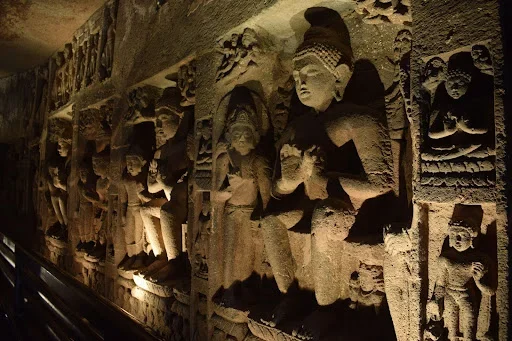
Buddhism found its earliest and most beautiful artistic expression at the Ajanta Caves in Maharashtra, India.
 By Spiritual Yatra
2 min read

Carved into a horseshoe-shaped ridge overlooking the Waghora River, these 30 caves feature unparalleled examples of early Indian murals, sculptures, and rock-cut architecture. Today, Ajanta is a celebrated UNESCO World Heritage Site known for its muted colors of peace and tranquility.

History and Accidental Discovery
Built as living quarters and prayer halls by Buddhist monks, the caves were created in phases between the 2nd century BC and the 7th century AD.
- A Sudden Departure: After 700 years of active use, the monks mysteriously abandoned the caves, possibly moving to nearby Ellora.
- The 1819 Rediscovery: Hidden beneath thick jungle vegetation, the site was accidentally rediscovered by a British officer on a tiger hunt.
- Cave Layout: The square-shaped caves are numbered serially as you approach them from the east, rather than by the date they were built.
The Evolution of Styles and Famous Caves
The paintings showcase a sophisticated understanding of shading and perspective, capturing two distinct periods of Buddhism:
- Early Hinayana Phase: In the oldest caves, the Buddha is represented only through symbols like the lotus, the wheel of life, or the Bodhi tree.
- Later Mahayana Phase: Dating to the 5th and 6th centuries, this era introduced the Buddha in human form alongside vibrant depictions of court life and Jataka tales (legends of the Buddha's past lives).
- Cave 1: Features the iconic Padmapani (Lotus Holder), depicting the Bodhisattva of Compassion surrounded by celestial figures.
- Cave 16: Houses The Dying Princess, a touching painting of a wife swooning with grief as her husband leaves to become a monk.
- Cave 17: Contains the highest number of wall paintings, including scenes of the Buddha's previous births as a monkey, buffalo, and elephant.
Ancient Painting Techniques and Colors
The Ajanta murals are incredibly resilient thanks to a unique dry-wall painting method.
- Not True Frescoes: Unlike traditional frescoes painted on wet plaster, Ajanta artists painted on a thin coat of dried lime wash using a glue binding.
- The Canvas Base: The stone walls were first prepped with layers of plaster made from mud, rock-grit, vegetable fibers, and grass.
- Natural Pigments: Artists created rich, muted tones using natural materials like lamp soot.
- Imported Blue: The striking blue accents were made from lapis lazuli, an expensive stone imported all the way from Afghanistan.
Keep Reading
View All Articles-
Padmanabhaswamy Temple: Mystery of Secret Vault B
Uncover the wealth and mysteries of Kerala's Padmanabhaswamy Temple. Learn about the untouched secret Vault B sealed by ancient Naga Bandham
-
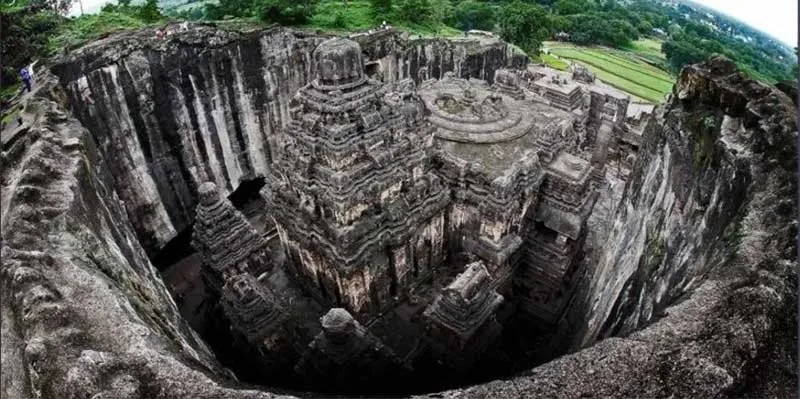
The Great Kailash Temple of Ellora
Deep within the rocky embrace of the Charanandri Hills in Maharashtra, India, lies a monument that challenges the boundaries of human imagination and ancient engineering.
-
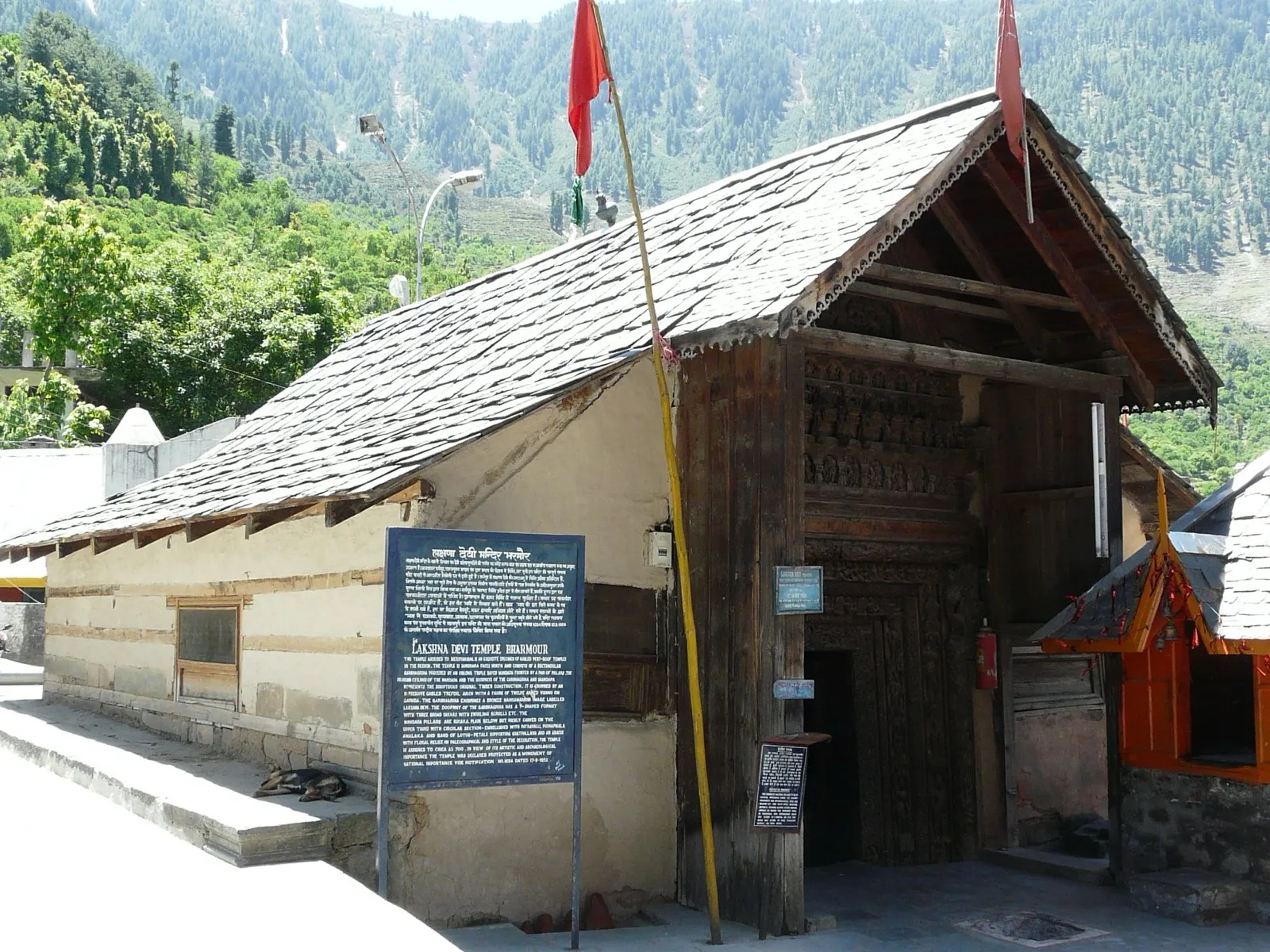
Lakshana Devi Temple Blog : Himachal Pradesh (1400 Years Old)
हिमाचल प्रदेश के चंबा जिले में स्थित भरमौर (ऐतिहासिक ग्रंथों में इसे ब्रह्मपुर, भारमौर, बारमावर या भ्रमोर भी कहा गया है) हिंदू पहाड़ी राज्यों की प्राचीन राजधानी रहा है ।