

Live Yatra Tracker
DGCA 2-Pilot rule for Char Dham helicopter yatra 2027
Changes and per-person cost calculation for Char Dham helicopter yatra 2027
 By Spiritual Yatra
3 min read
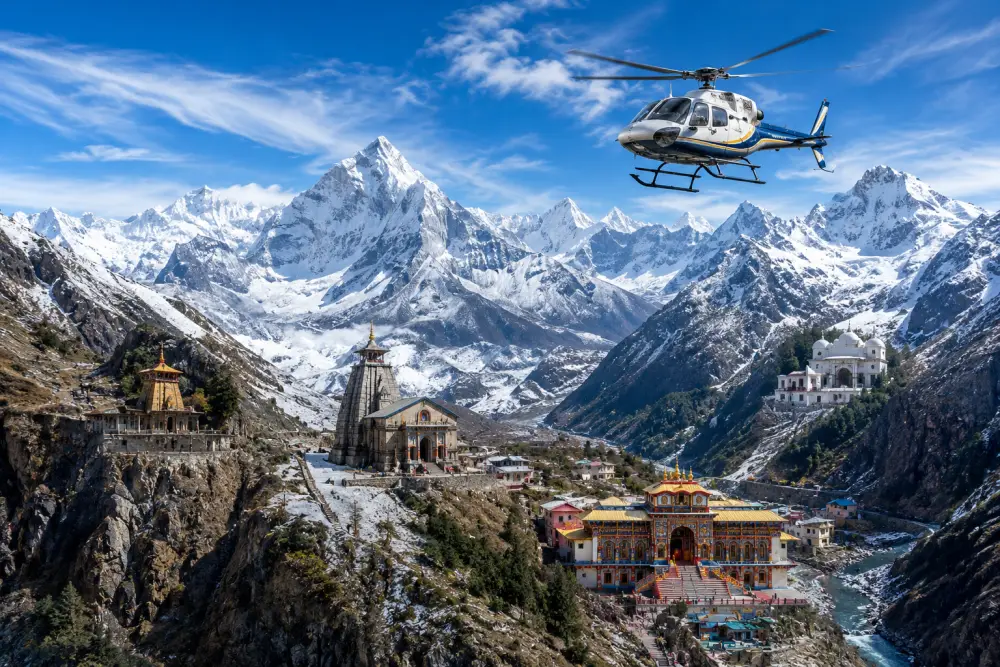
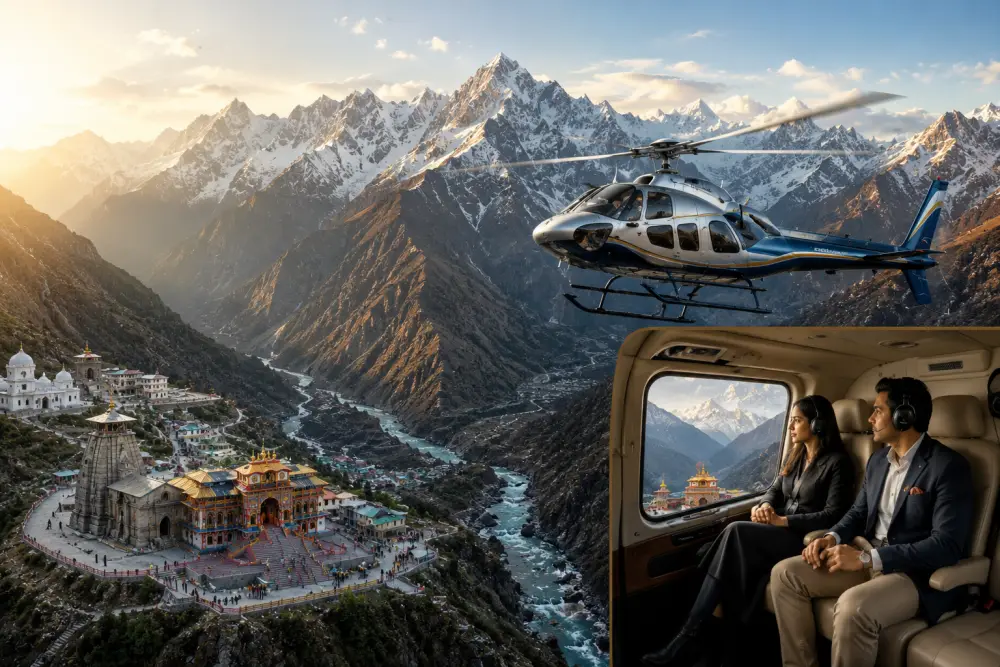
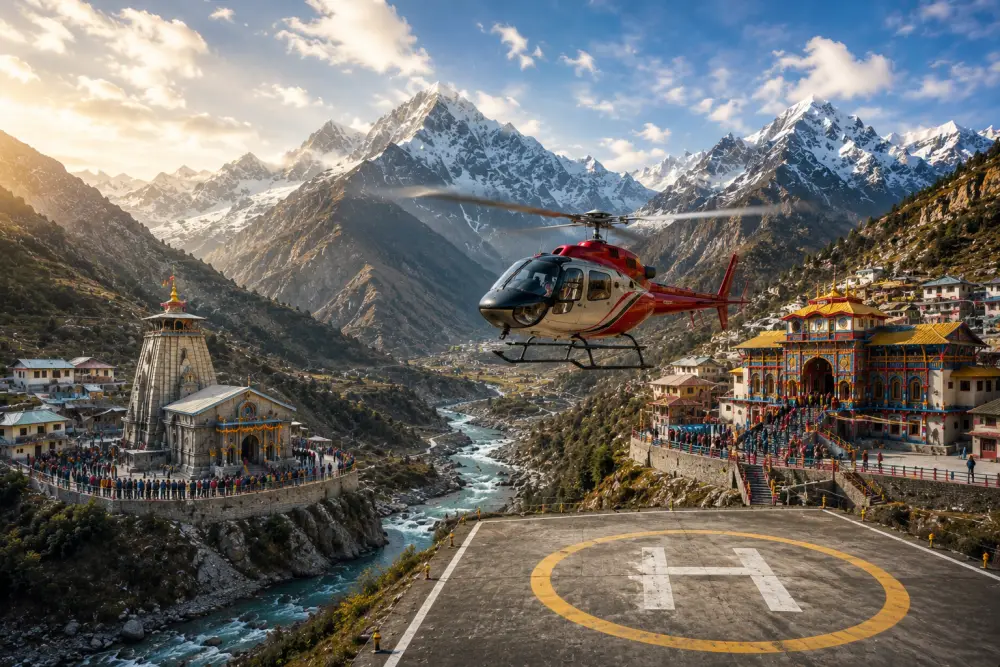
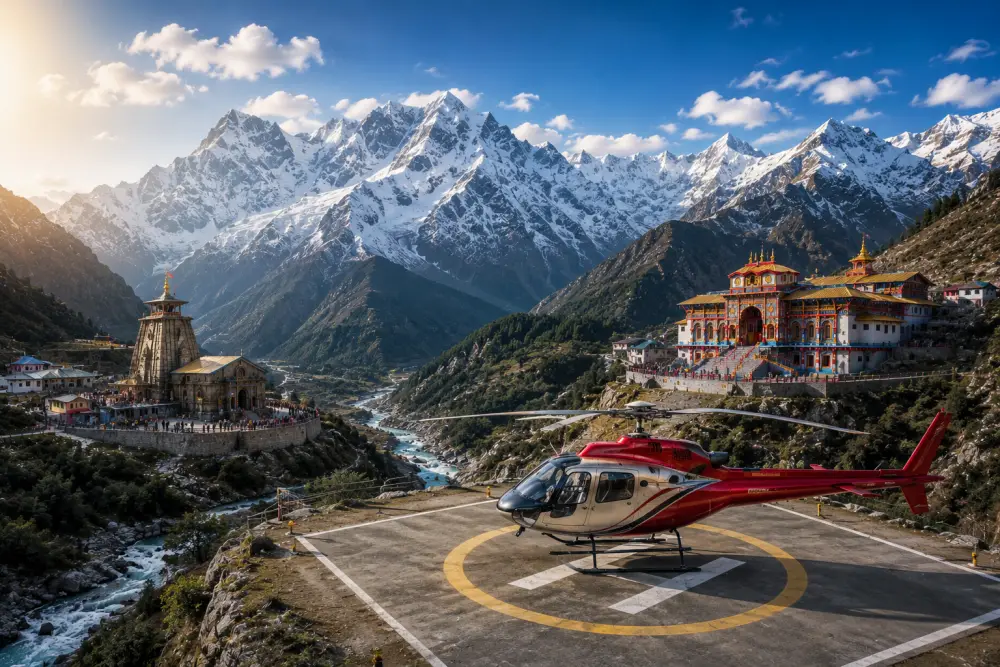
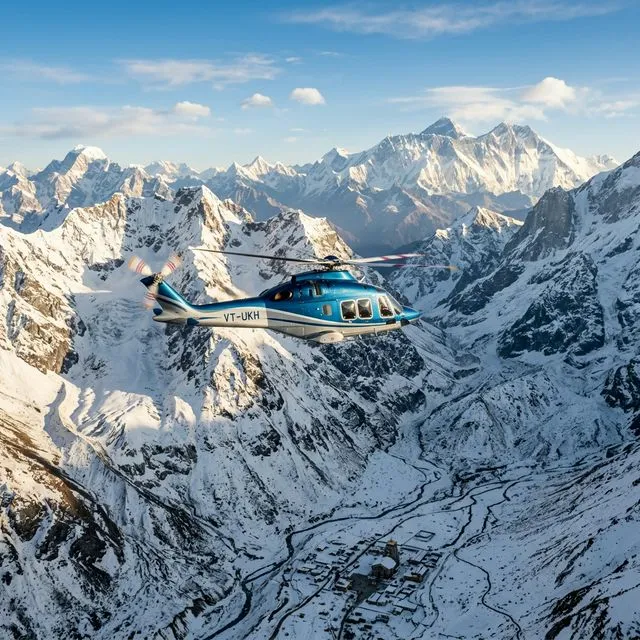
Because standard single-engine helicopters used on this route (such as the Bell 407) have 6 passenger seats (1 front seat beside the pilot + 5 rear seats), putting a co-pilot in the front seat directly eliminates 1 revenue-generating passenger seat reducing passenger capacity from 6 down to 5 (or 4, depending on high-altitude payload limits).
1. What Changes in the 2027 Season
While the DGCA and UCADA are still finalizing the formal SOPs for the 2027 season (opening in May 2027), operators and passengers will face three major operational shifts if the two-pilot mandate remains enforced:
- Seat Capacity Drops from 6 to 5 (or 4): A co-pilot occupies the front left seat, capping maximum passenger capacity at 5 passengers. Furthermore, because a second pilot adds ~75–85 kg of crew weight, total permissible passenger payload drops meaning helicopters flying to high-altitude helipads like Kharsali or Badrinath may only be able to carry 4 passengers during warmer afternoon temperatures.
- Per-Person Fares Will Rise Significantly: Charter operators have already warned that absorbing the cost of an extra hill-qualified pilot plus losing 1 to 2 paying seats per rotation makes the ₹2,40,000 price point unviable. Industry estimates project per-person fares could rise to ₹3,00,000 – ₹4,00,000 in 2027 unless the DGCA modifies the rule for single-pilot certified helicopters.
- Stricter Flight Clearances & Fewer Daily Rotations: Alongside the two-pilot rule, the DGCA mandated separate ATC/UCADA clearance for every individual flight leg and a mandatory Pilot Report (PIREP) after every landing. Combined with pilot shortages (110+ hill-qualified pilots needed vs. ~70 available) and Flight Duty Time Limitations (90 hours/month), daily flight slots will tighten. (Note: Local Kedarnath shuttles from Phata, Sersi, and Guptkashi are exempt from the 2-pilot rule and continue as normal.)
2. How Costing Works: 6 vs. 5 vs. 4 Passengers
A standard Char Dham helicopter charter runs on a fixed aircraft charter cost (~₹14,40,000 for a 6-seat rotation at ₹2,40,000 per person). When the seat count drops, that fixed flying cost gets divided among fewer passengers though hotel, meal, and VIP darshan costs (roughly ₹35,000–₹40,000 per person) scale down slightly with fewer guests.
Scenario A: Booking on a Seat-Sharing Basis
If you book individual seats on a shared departure, you do not pay extra just because your own group has 4 or 5 people. The operator fills the remaining 1 or 2 seats with other solo/couple pilgrims. However, the base per-seat tariff published by the operator for 2027 will already be higher to account for the 5-seat cap:
|
Aircraft Passenger Capacity |
Effective Per-Person Cost (at ₹14.4L charter base) |
Why It Changes |
|
6 Passengers (Old 1-pilot norm) |
₹2,40,000 |
Full 6-seat revenue split |
|
5 Passengers (New 2-pilot cap) |
~₹2,80,000 – ₹2,88,000 |
Fixed flying cost split by 5 instead of 6 (minus 1 guest's hotel/food) |
|
4 Passengers (High-altitude weight cap) |
~₹3,40,000 – ₹3,60,000 |
Fixed flying cost split by 4 due to payload/weather limits |
Scenario B: Booking a Private Full-Helicopter Charter
If your group books an exclusive private charter (where no outsiders are added to your helicopter):
- Under the 6-seat model: You paid for all 6 seats (6 × ₹2,40,000 = ₹14,40,000) even if only 4 or 5 family members flew, receiving only a minor deduction (~₹30,000–₹35,000 per vacant seat) for unused hotel rooms and meals.
- Under the 2027 5-seat model: A private charter is capped at a maximum of 5 passengers. If 5 people fly, the total charter cost remains roughly the same (~₹14.4L–₹15L plus extra pilot allowance), pushing the per-head cost to ~₹2,90,000–₹3,10,000. If only 4 people fly in that private charter, you still bear the full 5-seat aircraft cost bringing the effective per-person cost to ~₹3,60,000+.
3. Practical Steps Before Booking for 2027
- Lock in written seat-sharing terms: If booking early for May–June 2027, confirm in writing whether the operator's quote is guaranteed on a per-seat sharing basis or subject to surcharge if DGCA enforces the 5-seat cap.
- Watch passenger weights closely: With a second pilot onboard (~80 kg), operators will strictly enforce the 75 kg average passenger weight limit. Groups averaging over 75–80 kg per person risk either paying steep overweight penalties (₹2,500/kg) or being forced to split across two helicopters.
Keep Reading
View All Articles-
Char Dham Yatra Passenger's important Questions and Confusions
Here are some of the most common questions we receive as a Char Dham helicopter tour operator, along with simple and honest answers to help you plan your journey with confidence.
-
Complete Guide to the Amarnath Yatra: Amareshvara, the Immortal Lord
The annual Amarnath Yatra is a profound manifestation of India's syncretic and inclusive culture, blending religious fervor, secular ethos, and the extraordinary endurance required to traverse the high-altitude terrain of Jammu and Kashmir.
-
Amarnath Yatra 2026: The Definitive Guide to Routes
The annual Amarnath Yatra is one of the most logistically complex and spiritually significant high-altitude pilgrimages in the Hindu tradition.