









Last Mile
History of Akhadas in India - A short Description
The history of Akhadas in Indian Hindu tradition is deeply rooted in the religious and cultural evolution of the country.
 By Spiritual Yatra
2 min read
By Spiritual Yatra
2 min read

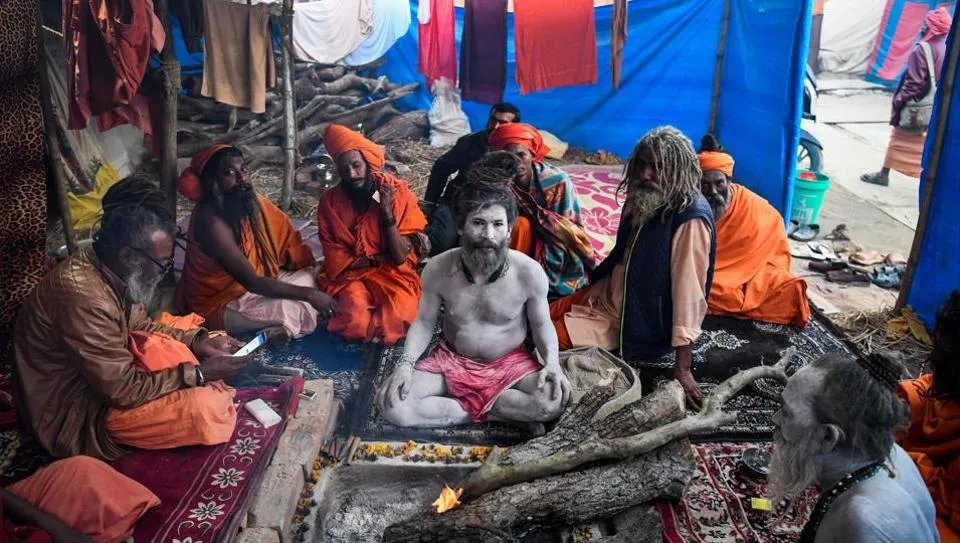
The term Akhada or Akhara refers to a monastic organization or a place for practicing martial arts and spiritual training. Here’s an overview of their historical development and significance:
Origin and Purpose
- Establishment: The concept of Akhadas is believed to have been formalized by Adi Shankaracharya in the 8th century AD. He established these institutions to create a warrior class of monks and seers capable of defending Hinduism against foreign invasions.
- Etymology: The word Akhada is derived from the Sanskrit words Akhand (meaning undivided) and Alakh (a name for God), symbolizing an uninterrupted tradition. It signifies both a physical institution and a spiritual congregation.
- Role: Initially, Akhadas served as centers for spiritual learning and martial training. They were tasked with protecting Hindu temples, monasteries, and devotees. The members, often renunciates, were trained in martial arts to safeguard religious institutions and uphold the Sanatana Dharma.
Structure and Organization
- Types of Akhadas: There are primarily three types of Akhadas based on sectarian affiliations:
- Shaiva Akhadas: These include seven major Akhadas such as Juna, Niranjani, and Mahanirvani, among others.
- Vaishnav Akhadas: These consist of three main Akhadas: Nirmohi, Nirvani, and Digambar.
- Udasin Akhadas: These are associated with the Sikh tradition and include Bada Udasin and Naya Udasin Akhadas.
- Administration: Each Akhada is governed by an elected body, with leadership positions such as Acharya Mahamandaleshwar and Mahamandaleshwar. These leaders oversee the spiritual and administrative functions of the Akhada.
Cultural and Religious Significance
- Kumbh Mela: Akhadas play a crucial role in the Kumbh Mela, a major Hindu festival held every 12 years. They lead the ritualistic processions and bathing ceremonies, which are central to the event. The Akhadas are entitled to a special privilege known as the Shahi Snan during the festival.
- Modern Role: Today, Akhadas continue to influence Hindu society by leading religious and intellectual discussions. They are involved in social issues and maintain a significant presence in religious gatherings like the Kumbh Mela.
In summary, Akhadas have been integral to the preservation and propagation of Hindu traditions and values. They have evolved from being martial and spiritual training centers to influential religious institutions that play a vital role in contemporary Hindu society.
Keep Reading
View All Articles-
Top 10 Treks in Uttarakhand - A Travel Guide
Here are 10 widely recognised treks in Uttarakhand (Garhwal + Kumaon), followed by a practical travel-planning guide for you and your students/participants.
-
Guide to the Char Dham Helicopter Yatra
The Char Dham Yatra of Uttarakhand encompassing the four sacred Himalayan shrines of Yamunotri, Gangotri, Kedarnath, and Badrinath represents one of the most revered pilgrimage circuits in India.