
The Yatri Chaupal
Rituals and Pooja Services at Kedarnath ji and Badrinath ji
Guide to Rituals and Pooja Services at Shri Kedarnath Dham and Shri Badrinath Dham
 By Spiritual Yatra
15 min read

Guide to Rituals and Pooja Services at Shri Kedarnath Dham and Shri Badrinath Dham
The Himalayan Shrines
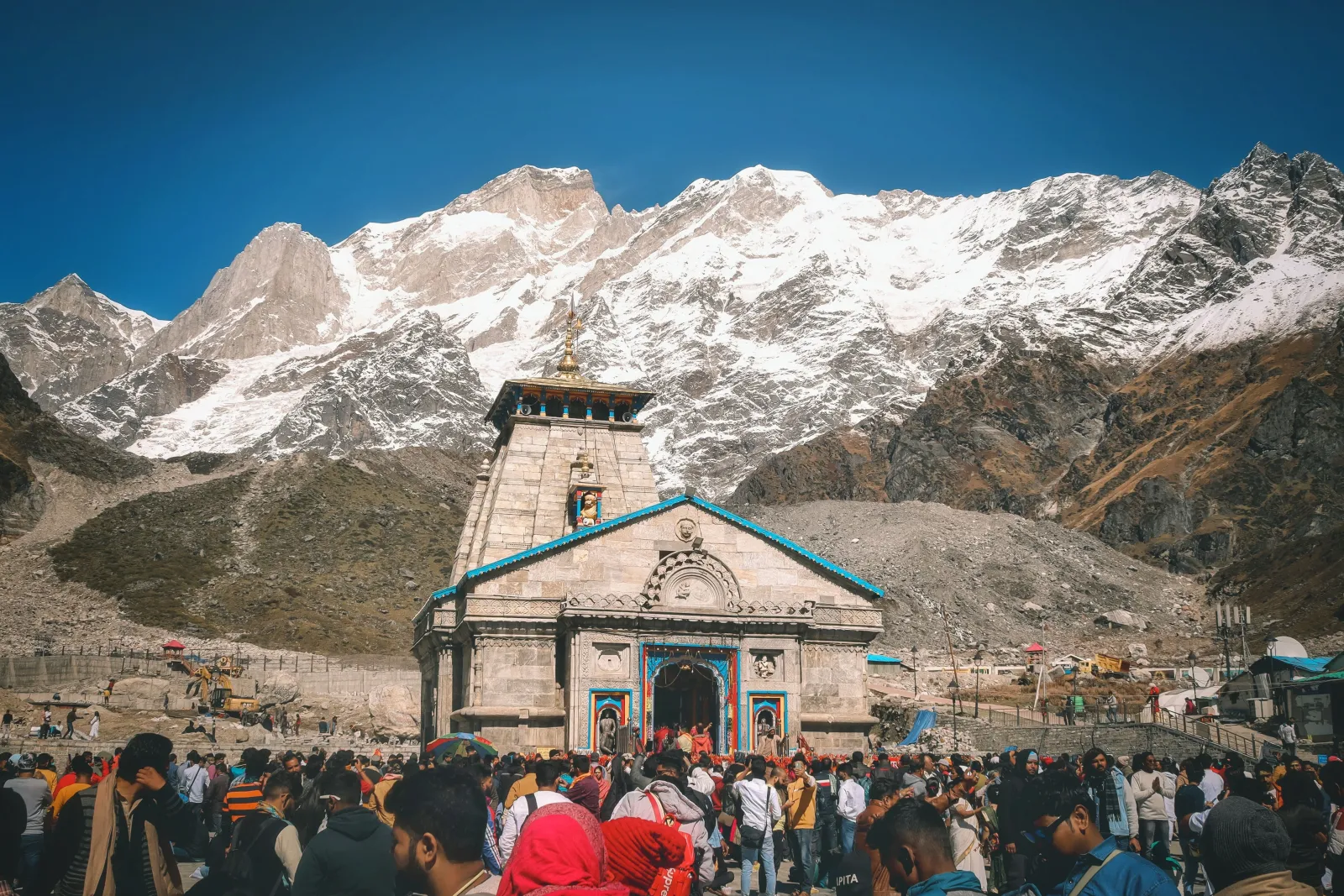
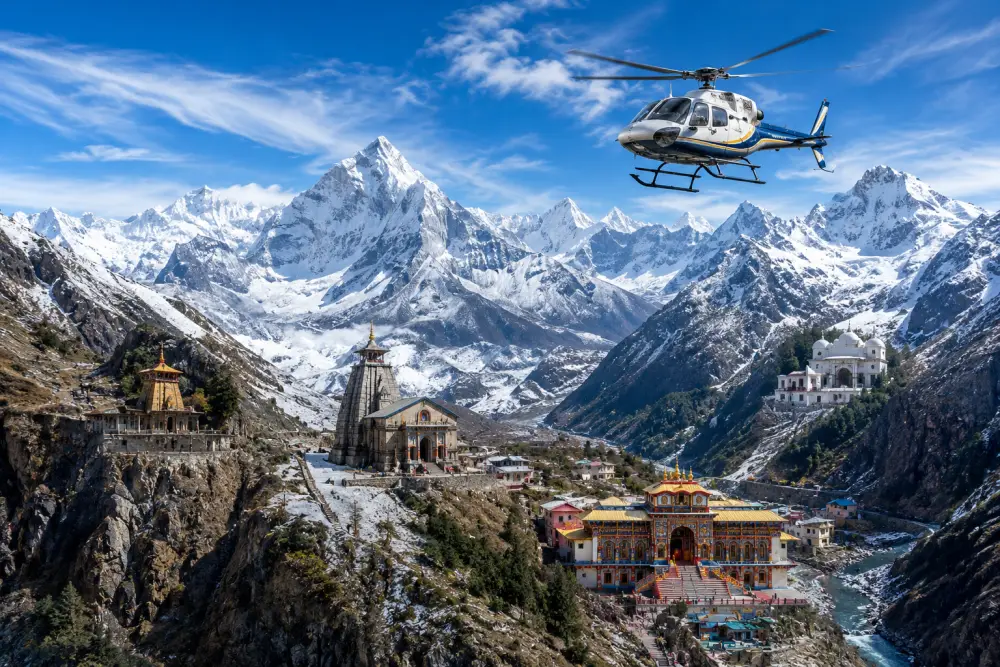
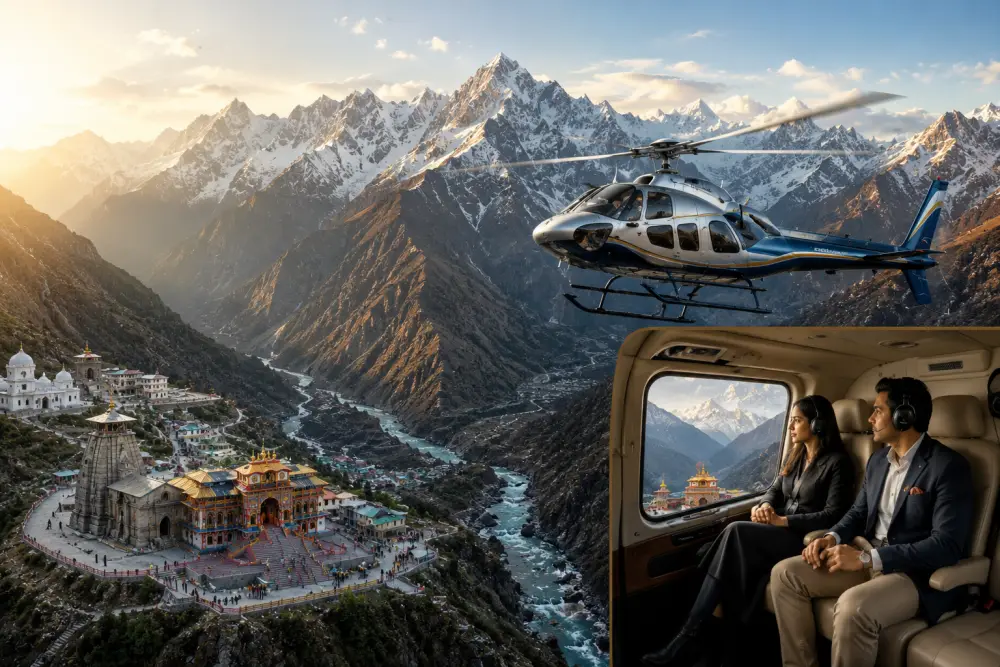
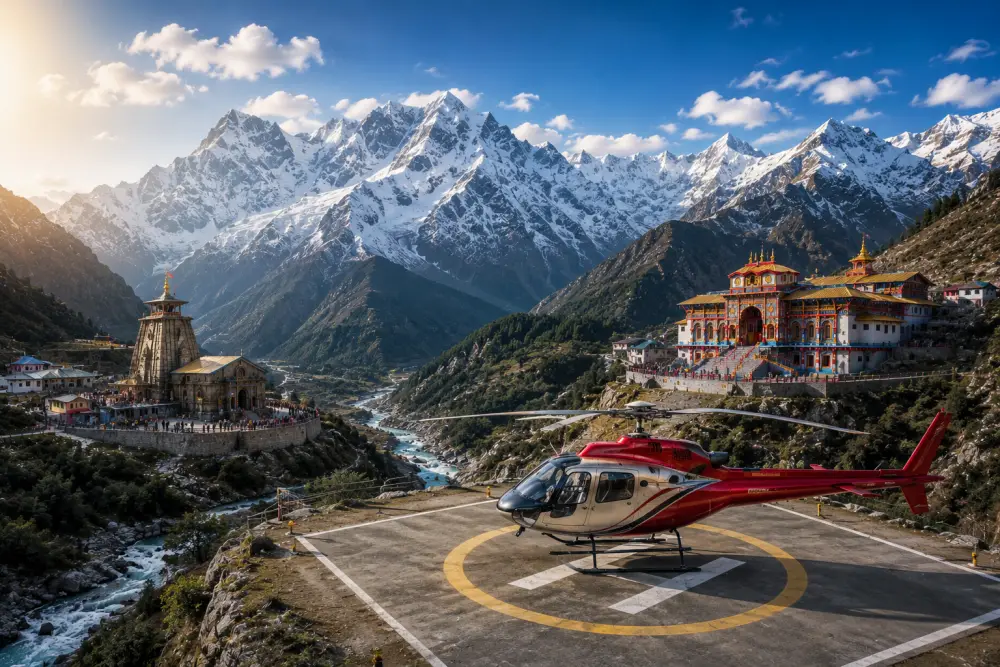
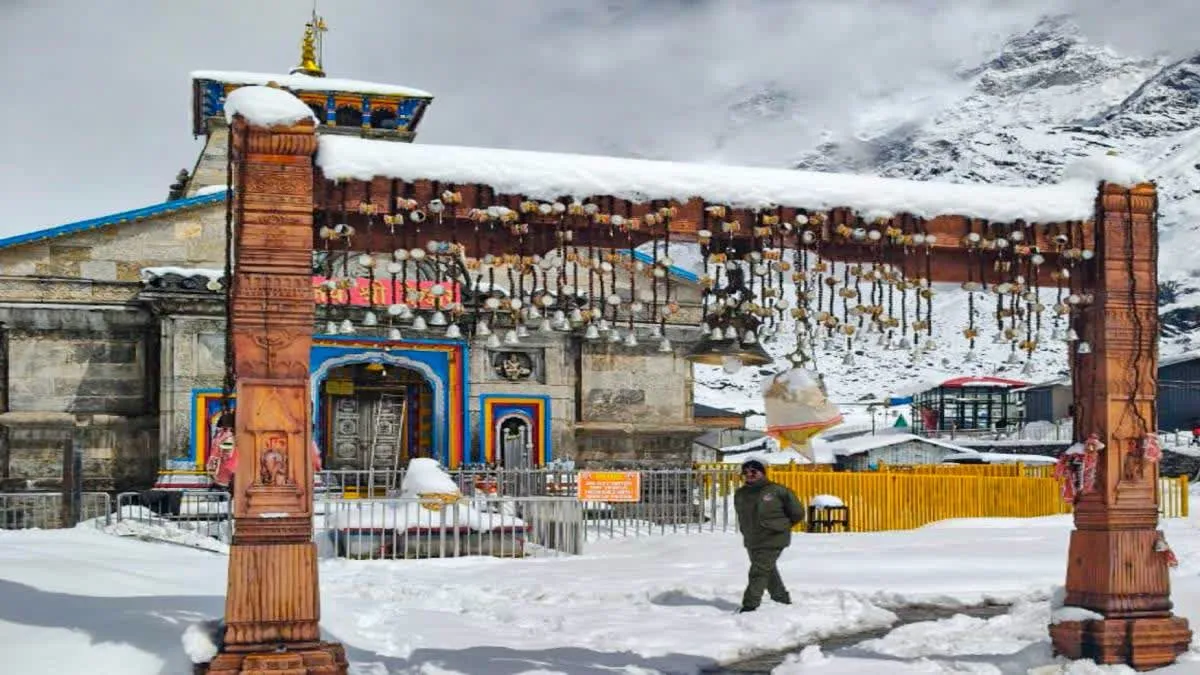
The high-altitude shrines of Shri Kedarnath Dham and Shri Badrinath Dham represent two of the most spiritually revered pilgrimage destinations in northern India. Situated within the Garhwal Himalayan range of Uttarakhand, these temples attract hundreds of thousands of devotees annually during an operational season extending from late April or early May to November. Kedarnath, located at an elevation of 3,553 meters in the Rudraprayag district along the Mandakini River, stands as the highest among the twelve sacred Jyotirlingas dedicated to Lord Shiva. Badrinath, positioned at 3,133 meters in Chamoli district along the banks of the Alaknanda River, is consecrated to Lord Vishnu in his dual incarnation as Nar-Narayan.
To manage the heavy seasonal influx of pilgrims and ensure that liturgical traditions are preserved according to ancient Vedic and Agamic scriptures, all administrative and religious operations at both temples are governed by the statutory Badrinath-Kedarnath Temple Committee (BKTC). General entry for viewing the deity—known as Sarva Darshan—is completely free of charge for all visitors. However, to facilitate specialized spiritual vows, scriptural recitations, food offerings, and ritual bathing, the BKTC maintains a structured, tariff-based framework for advance liturgical bookings.
Participating in these structured pujas (worship services), aartis (lamp offerings), paaths (scriptural recitations), and bhogs (consecrated food offerings) serves a dual purpose. Spiritually, it allows devotees to partake in ancient rituals established by Adi Shankaracharya. Operationally, booking early morning or evening ritual slots grants participants organized, priority access to the inner sanctum (Garbha Griha) before general public queues commence, effectively acting as an officially regulated VIP entry path tied directly to religious participation.
Liturgical Hierarchy and Pooja Classifications at Shri Kedarnath Dham
The daily liturgical sequence at Shri Kedarnath Dham follows a strict temporal cadence designed around the nature of Lord Shiva as the supreme ascetic. Rituals are broadly categorized into early morning Abhishek ceremonies, evening Stotra recitations, daily food distribution offerings (Bhog), seasonal or festival ceremonies, and multi-year institutional sponsorships (Bandhaan).
Morning rituals begin at approximately 4:00 AM prior to opening the temple doors for general public viewing at 6:00 AM. The primary morning ritual is the Maha Abhishek, where the Swayambhu (self-manifested) stone lingam is ritually cleansed and anointed with panchamrit (milk, curd, ghee, honey, and sugar) alongside sacred ash (Bhasma) and flowers accompanied by Vedic chants. Devotees who book morning Abhishek ceremonies are permitted inside the sanctum to witness and participate directly in the rituals.
The BKTC structures morning attending pujas on a group or family capacity basis. A standard ticket permits up to five primary individuals, with an option to include up to two additional family members upon paying an extra fee per person. This group allocation structure makes high-tier ceremonies significantly more economical on a per-capita basis for families traveling together.
| Pooja Category | Timing | Rate (INR) | Allowed Persons | Add-on Allowance | Key Features / Description |
| Maha Abhishek Puja | 04:00 AM – 06:00 AM | ₹ 9,500 | 5 Persons | Up to 2 persons |
Complete ritual bathing and anointing of the Shivlinga with Vedic mantras. |
| Rudrabhishek Puja | 04:00 AM – 06:00 AM | ₹ 7,200 | 5 Persons | Up to 2 persons |
Recitation of Sri Rudram alongside holy water and panchamrit bathings. |
| Laghurudrabhishek Puja | 04:00 AM – 06:00 AM | ₹ 6,100 | 5 Persons | Up to 2 persons |
Concentrated form of Rudrabhishek for personal spiritual benefit. |
| Shodashopachaar Puja | 04:00 AM – 06:00 AM | ₹ 5,500 | 5 Persons | Up to 2 persons |
Traditional 16-step worship offering scents, lights, food, and prayers. |
| Ashtopachaar Puja | 04:00 AM – 06:00 AM | ₹ 950 | 5 Persons | None |
Simplified 8-step morning worship protocol. |
| Panchopachaar Puja | 04:00 AM – 06:00 AM | ₹ 950 | 5 Persons | None |
Basic 5-step morning adoration ritual. |
| Entire Puja of the Day | 04:00 AM – Closing | ₹ 28,600 | 5 Persons | None |
Covers all ritualistic services conducted throughout the full operational day. |
| Early Morning Puja (Proxy) | Around 04:00 AM | ₹ 950 | Non-Attending | N/A |
Performed on behalf of absent devotee by the Chief Priest (Rawal). |
| Baal Bhog (Proxy) | Around 04:00 AM | ₹ 1,000 | Non-Attending | N/A |
Early morning food offering performed by the Chief Priest. |
In the evening, the atmosphere at Kedarnath shifts from active ritual bathing to scriptural praise and formal closure. The temple reopens for evening ceremonies following an afternoon recess between 3:00 PM and 5:00 PM. Evening rituals primarily consist of specialized Stotra Paths—rhythmic scriptural chants praising Lord Shiva—followed by the Entire Evening Aarti and concluding with the Shayan Aarti at approximately 7:00 PM. Unlike morning rituals that accommodate group entries, evening stotra paths strictly permit three persons, while the full evening aartis permit one person per ticket.
| Service Name | Timing / Duration | Rate (INR) | Allowed Persons | Operational Focus & Spiritual Significance |
| Shiv Ashtotari Path | 5 Minutes | ₹ 1,000 | 3 Persons |
Recitation of the 108 sacred names of Lord Shiva. |
| Shiv Sahashtranaam Path | 10 Minutes | ₹ 2,000 | 3 Persons |
Recitation of the 1,000 divine names of Shiva. |
| Shiv Namawali | 15 Minutes | ₹ 2,000 | 3 Persons |
Chanting of divine epithets for peace and obstacle removal. |
| Shiv Mahimanstrotam Path | 12 Minutes | ₹ 2,000 | 3 Persons |
Recitation of Pushpadanta's hymn praising Shiva's glory. |
| Shiv Tandav Strotam Path | 12 Minutes | ₹ 1,900 | 3 Persons |
Rhythmic chant celebrating the cosmic dance of Shiva. |
| Shiv Parakshamastrotam Path | 12 Minutes | ₹ 2,000 | 3 Persons |
Prayer seeking forgiveness for unintended transgressions. |
| Entire Evening Aarti | 1 Hour | ₹ 2,800 | 1 Person |
Complete participation in the main evening light ceremony. |
The BKTC enables devotees to sponsor daily meals (Bhog) for visiting sadhus and pilgrims, conduct sacred fire rituals (Hawan), maintain perpetual lamps (Akhand Jyoti), and sponsor annual rituals for a ten-year duration (Bandhaan Puja).
| Service / Pooja Type | Frequency / Timing | Rate (INR) | Capacity / Details |
| Simple Bhog Puja | Midday (15:00 – 16:00) | ₹ 325 |
Basic midday food offering prepared by temple priests. |
| Special / Uttam Bhog Puja | Midday (15:00 – 16:00) | ₹ 850 |
Premium afternoon food offering dedicated to Lord Kedar. |
| Daily Bhog Distribution | Midday | ₹ 100 & above |
General donation toward pilgrim community kitchens. |
| Sadavaart Khichadi | Daily | ₹ 3,900 |
Covers sacred food prasadam distribution for 5 persons. |
| Nitya Niyam Bhog Shri Kedarnath Ji | Full Day | ₹ 3,510 |
Sponsorship of all daily routine meals for the main deity. |
| Daily Yagya / Hawan | Post-Midday | ₹ 2,000 |
Sacred fire ritual conducted through temple priests. |
| Akhand Jyoti Dainik | Single Day | ₹ 3,900 |
Sponsorship of ghee and wicks for continuous daily lamp. |
| Akhand Jyoti Annual | Entire Yatra Season | ₹ 28,600 |
Maintains the sacred unbroken flame for the full open season. |
| Prati Somwar Yagya Hawan | Every Monday | ₹ 2,000 |
Special Monday fire ritual conducted after midday. |
| Shravani Purnima Annkoot | Once Yearly | ₹ 7,540 |
Harvest feast ritual performed one day before Rakshabandhan. |
| Shiv Samadhi Pujan | Kapat Closing Day | ₹ 6,500 |
Closing ritual performed when temple doors shut for winter. |
| 10-Year Bandhaan: Mahabhishek | Once Yearly (10 Yrs) | ₹ 23,100 |
Annual Mahabhishek performed on a fixed date for 10 years. |
| 10-Year Bandhaan: Abhishek | Once Yearly (10 Yrs) | ₹ 12,100 |
Annual standard Abhishek reserved for 10 consecutive years. |
| 10-Year Bandhaan: Laghurudra | Once Yearly (10 Yrs) | ₹ 8,300 |
Annual Laghurudrabhishek reserved for 10 consecutive years. |
| 10-Year Bandhaan: Evening Aarti | Once Yearly (10 Yrs) | ₹ 6,500 |
Annual sponsorship of main evening aarti for a decade. |
| 10-Year Bandhaan: Maha Bhog | Once Yearly (10 Yrs) | ₹ 13,900 |
Annual grand food offering sponsored for 10 consecutive years. |
Liturgical Hierarchy and Pooja Classifications at Shri Badrinath Dham
In contrast to the ascetic minimalism of Kedarnath, Shri Badrinath Dham exhibits an elaborate court-style liturgical format (Rajbhog) adhering to Vaishnavite traditions prescribed in the Pancharatra Agamas. The idol of Lord Badri Vishal—carved from black Shaligram stone—undergoes ritual baths, herbal massage, and elaborate golden and floral adornment (Shringar) every morning.
Morning Abhishek ceremonies at Badrinath take place between 4:30 AM and 6:30 AM. During this time, the deity is cleansed of the prior day's paste, anointed with sandalwood, saffron, and sacred oils, and adorned with gold ornaments. Unlike Kedarnath, tickets for morning Abhishek rituals at Badrinath are priced on an individual basis (one person per receipt).
During the daytime session (7:30 AM to 12:00 PM and 3:00 PM to 6:00 PM), priests perform scriptural recitations (Ved Path and Geeta Path) inside the temple compound. Devotees can also sponsor grand, multi-day recitations such as the Srimadbhagwat Saptah Path.
| Service / Pooja Type | Session / Timings | Rate (INR) | Allowed Persons | Description and Ritual Context |
| Maha Abhishek Puja | 04:30 AM – 06:30 AM | ₹ 4,300 – ₹ 4,700 | 1 Person |
Grand sacred bath, sandalwood coating, and golden adornment of Badri Vishal. |
| Abhishek Puja | 04:30 AM – 06:30 AM | ₹ 4,100 – ₹ 4,500 | 1 Person |
Standard morning ritual bathing and royal adornment ceremony. |
| Ved Path | 07:30 AM–12:00 PM / 03:00 PM–06:00 PM | ₹ 2,100 – ₹ 2,500 | 1 Person |
Recitation of Vedic hymns dedicated to Lord Vishnu. |
| Geeta Path | 07:30 AM–12:00 PM / 03:00 PM–06:00 PM | ₹ 2,500 | 1 Person |
Chanting of selected chapters from the Bhagavad Gita. |
| Entire Pujas of the Day | 04:00 AM – 08:00 PM | ₹ 11,700 – ₹ 12,000 | 1 Person |
Sponsorship covering all daily rituals from morning Abhishek to night Aarti. |
| Srimadbhagwat Saptah Path | Multi-Day / Full Day | ₹ 35,101 – ₹ 51,000 | 1 Person |
Seven-day continuous exposition of the Srimad Bhagavatam scripture. |
Evening rituals at Badrinath commence around 6:00 PM with a succession of lamp offerings (Aartis) using different precious metals, followed by scriptural name recitations, and concluding at approximately 9:00 PM with the Shayan Aarti. During Shayan Aarti, priests recite verses from the Geeta Govinda, strip the deity of royal garments, and lay him to rest for the night.
| Service Name | Timing | Rate (INR) | Capacity | Ritual Significance |
| Kapoor Aarti | 06:00 PM – 06:10 PM | ₹ 151 – ₹ 201 | 1 Person |
Camphor lamp illumination offering before the deity. |
| Chandi Aarti | 06:15 PM – 06:30 PM | ₹ 351 – ₹ 401 | 1 Person |
Evening light offering using silver lamps (Chaandi). |
| Swaran Aarti | 06:30 PM – 06:45 PM | ₹ 376 – ₹ 501 | 1 Person |
Premium evening light offering using solid gold lamps (Swarna). |
| Astotari Puja | 06:45 PM – 07:00 PM | ₹ 401 | 1 Person |
Chanting of 108 names of Vishnu with floral offerings. |
| Vishnu Sahasranam Path | 07:00 PM – 07:20 PM | ₹ 456 – ₹ 701 | 1 Person |
Full chanting of the 1,000 names of Lord Vishnu. |
| Vishnu Sahasranamavali | 07:20 PM – 07:45 PM | ₹ 601 | 1 Person |
Name-by-name offering of fresh tulsi leaves to the deity. |
| Shayan Aarti with Geeta Govind Path | ~09:00 PM | ₹ 3,100 | 1 Person |
Night repose ceremony accompanied by Jayadeva's hymns. |
| VIP / Priority Entry Pass | Fixed Slot | ₹ 300 – ₹ 500 | 1 Person |
Grants priority queue entry without specific individual pooja rites. |
Badrinath is renowned for its ancestral rites (Pind Daan) conducted nearby at Brahma Kapal. Within the temple, specific offerings cater to daily meals, winter closing ceremonies, seasonal festivals, and 10-year commitments.
| Service Category | Timing / Event | Rate (INR) | Operational Details / Spiritual Scope |
| Pind Prasad | Around 08:00 AM | ₹ 101 |
Consecrated food offering used by pilgrims performing ancestral rites. |
| Yatri Bhog | Midday (~01:00 PM) | ₹ 101 & above |
General contribution toward pilgrim midday meal kitchens. |
| Kheer Bhog | 07:30 AM – 08:30 AM | ₹ 1,001 |
Sweet rice pudding offering distributed to devotees in the morning. |
| Nitya Niyam Bhog Shri Badrinath Ji | Daily Midday | ₹ 11,000 |
Full daily sponsorship of royal meals cooked for Lord Badri Vishal. |
| Nitya Niyam Bhog Subordinate Temples | Daily Midday | ₹ 7,001 |
Food offerings for surrounding shrines (Mata Murti, Garud, etc.). |
| Akhand Jyoti (1 Day) | Single Day | ₹ 1,500 |
Ghee donation to keep the continuous lamp lit for 24 hours. |
| Akhand Jyoti (1 Year) | Full Season | ₹ 4,951 |
Sponsorship of ghee for the perpetual flame throughout the open season. |
| Ghrit Kamble (Closing Day) | Kapat Closing | ₹ 5,100 |
Ghee-soaked raw wool blanket used to wrap the idol for winter. |
| Ghee for Deepak (Closing Day) | Kapat Closing | ₹ 5,100 |
Pure ghee provided to fuel the lamp that burns continuously inside the closed temple. |
| Mata Murti Utsav | Vaman Dwadasi | ₹ 5,100 |
Annual festival honoring Lord Vishnu's mother, Mata Murti. |
| Bhagwan Nar Narayan Janmotsava | Shrawan Month | ₹ 5,001 |
Celebration marking the incarnation date of Nar-Narayan. |
| Deep Malika Utsav | Diwali | ₹ 5,001 |
Grand festival of lights observed at Badrinath during Diwali. |
| Shri Krishna Janmashtami Utsav | Janmashtami | ₹ 11,000 |
Night celebration of Krishna's birth. |
| Srawani Rudrabhishek | Shrawan Month | ₹ 12,000 |
Special Shiva ritual conducted within the Badrinath temple compound. |
| 10-Yr Bandhaan: Abhishek Puja | Annual (10 Yrs) | ₹ 44,201 |
Ten-year annual reservation for morning Abhishek Puja. |
| 10-Yr Bandhaan: Maha Bhog | Annual (10 Yrs) | ₹ 32,501 |
Ten-year annual reservation for royal food offerings. |
| 10-Yr Bandhaan: Sahasranamavali | Annual (10 Yrs) | ₹ 9,101 |
Ten-year reservation for annual Vishnu Sahasranamavali. |
| 10-Yr Bandhaan: Sahasranam Path | Annual (10 Yrs) | ₹ 7,411 |
Ten-year reservation for annual Vishnu Sahasranam Path. |
| 10-Yr Bandhaan: Swaran Aarti | Annual (10 Yrs) | ₹ 5,201 |
Ten-year reservation for annual Gold Lamp Aarti. |
| 10-Yr Bandhaan: Astotari Path | Annual (10 Yrs) | ₹ 4,301 |
Ten-year reservation for annual Astotari Path. |
Comparative Analysis of Liturgical Traditions: Kedarnath vs. Badrinath
While both shrines function under the administrative umbrella of the BKTC, significant theological, structural, and operational differences govern their liturgical practices.
Theological orientation marks the primary distinction between the two shrines. Kedarnath follows Shaivite liturgical traditions focused on elemental simplicity, inner contemplation, and raw Abhishek rites performed directly on the natural stone lingam. In contrast, Badrinath operates under Vaishnavite Agamic principles where the deity is treated as a living monarch (Rajadhiraja). This entails elaborate daily changes of silk vestments (Pithambara), heavy gold jewelry, and fresh floral garlands during the morning Shringar.
Capacity and pricing models also reflect these operational differences. At Kedarnath, high-value morning rituals like Maha Abhishek (₹9,500) cover five family members natively, bringing the effective individual cost down to ₹1,900 per person. This structure reflects the physical realities of Himalayan trekking, where families travel as tightly knit units. Conversely, Badrinath charges ₹4,300 to ₹4,700 per single seat for its morning Maha Abhishek. Because Badrinath is accessible directly by motorable road, individual travelers and corporate pilgrims form a larger percentage of total visitors, sustaining higher per-seat pricing models.
| Evaluation Parameter | Shri Kedarnath Dham | Shri Badrinath Dham |
| Primary Deity & Tradition |
Shaivite (Lord Shiva as Ascetic) |
Vaishnavite (Lord Vishnu as King) |
| Sanctum Entry Structure |
Group Allowance (5 Persons + 2 Add-ons) |
Individual Pass (1 Person per Receipt) |
| Morning Abhishek Cost |
₹ 9,500 per family group |
₹ 4,300 – ₹ 4,700 per individual |
| Sanctum Spatial Capacity |
Highly constrained compact stone shrine |
Broader Sabha Mandap seating area |
| Physical Access Mode |
16 km mountain trek or helicopter |
Direct motorable highway access |
Operational Guidelines, Registration, and Booking Protocols
To maintain order and prevent fraudulent ticket sales, the BKTC strictly regulates all pooja reservations through a centralized digital portal. Devotees wishing to reserve rituals before embarking on their journey must complete the online workflow via the official portal (badrinath-kedarnath.gov.in or badri-kedar.gov.in).
Registration and Digital Reservation Steps
-
Devotees register an account on the official portal using a valid Indian mobile number or email address, verified via one-time password (OTP).
-
The user selects the designated shrine (Kedarnath or Badrinath) and chooses the preferred service category (Pooja, Bhog, Paath, or Aarti).
-
The preferred travel date is selected from the active seasonal calendar, subject to available daily quotas.
-
Complete pilgrim details are entered, including full legal name, age, gender, address, and family religious lineage (Gotra).
-
Devotees upload a clear government-issued photo identification document (Aadhaar Card, Passport, Voter ID, PAN Card, or Driving Licence) for each primary participant.
-
Payment is finalized through digital payment gateways (UPI, Net Banking, or Debit/Credit Card).
-
Upon successful payment, the user downloads the official e-ticket carrying a unique QR verification code.
Terms, Conditions, and Contingency Regulations
All transactions completed through the BKTC portal are strictly non-refundable and non-transferable to any other person or date under any circumstance. Bookings should only be finalized once travel schedules are firmly confirmed.
Reporting windows are strictly enforced by temple administrators. For morning Abhishek pujas (4:30 AM – 6:30 AM), participants must present themselves at the temple entry gate 15 to 30 minutes prior to the session start. For evening Aartis, ticket holders must show their receipt at the designated counter 15 to 20 minutes before the ceremony starts. Late arrivals are denied sanctum entry without entitlement to a refund.
Primary ticket holders must carry the original physical photo ID card uploaded during registration. Mobile phones, cameras, smartwatches, and recording devices are strictly banned inside the inner sanctum of both temples, regardless of VIP pass status. Furthermore, the BKTC reserves the right to cancel or reschedule any booked pooja due to weather hazards, landslides, or celestial events such as solar or lunar eclipses. In such events, rituals are performed by priests on behalf of the devotee.
For pilgrims arriving without advance digital reservations, limited offline pooja passes are released daily at physical counters near the respective temple premises. These counters operate on a strict first-come, first-served basis, with queues forming as early as 3:00 AM during peak summer months. Due to network connectivity disruptions in high-altitude terrain, offline counters frequently operate on a cash-only basis.
Remote Devotion, Digital Access, and Post-Yatra Prasadam Distribution
Recognizing that elderly, infirm, or international devotees may be unable to undertake the strenuous trek to the Himalayan shrines, the BKTC operates a proxy worship and remote Prasadam delivery mechanism.
Devotees can select the "Non-Attending" option when booking pujas, paaths, or daily bhogs online. When this option is chosen, the devotee submits their name and Gotra. On the scheduled date, the Chief Priest (Rawal) or assigned temple priests recite the devotee's details during the sanctum rituals, crediting the spiritual merit of the ceremony to the absent sponsor.
To deliver tangible blessings to distant devotees, the BKTC maintains a postal distribution network known as Atka Bhog. Devotees can order consecrated packages online, which are dispatched directly from shrine offices via ordinary or registered post.
| Shrine Source | Package Type / Delivery Option | Price (INR) | Contents Included in Prasadam Kit |
| Shri Kedarnath Dham | Atka Prasad via Ordinary Post | ₹ 585 |
Consecrated dry prasad kit dispatched by standard mail. |
| Shri Kedarnath Dham | Atka Prasad via Registered Post | ₹ 1,270 |
Secure, trackable postal dispatch of consecrated prasad kit. |
| Shri Kedarnath Dham | Online Prasad Box (Standard) | ₹ 451 |
Holy Bhasma, 2 Rudraksha beads, Belpatra, Silver Coin, Prasad, Havan Samagri. |
| Shri Badrinath Dham | Atka Prasad via Ordinary Post | ₹ 421 |
Consecrated dry prasad kit dispatched by standard mail. |
| Shri Badrinath Dham | Atka Prasad via Registered Post | ₹ 980 |
Secure, trackable postal dispatch of consecrated prasad kit. |
| Shri Badrinath Dham | Natural Prasad Box / Bag | ₹ 423 – ₹ 473 |
Local Himalayan herbal prasad kit (Himadri ingredients) dispatches. |
Practical Travel and Liturgical Recommendations for Pilgrims
Planning a trip to the Char Dham requires balancing spiritual goals with high-altitude travel conditions. Crowd levels vary significantly throughout the operational season. The peak season spanning May and June sees high visitor turnout, with daily footfall often exceeding 20,000 to 30,000 pilgrims at each temple. During this period, general queues can take several hours, and morning Abhishek slots sell out quickly upon portal release.
The monsoon months of July and August experience lower crowd numbers due to rainfall and landslide risks along mountain highways. For common pilgrims seeking a peaceful atmosphere for morning and evening rituals, the autumn window spanning September and October provides clear weather, stable road conditions, and manageable queue lengths.
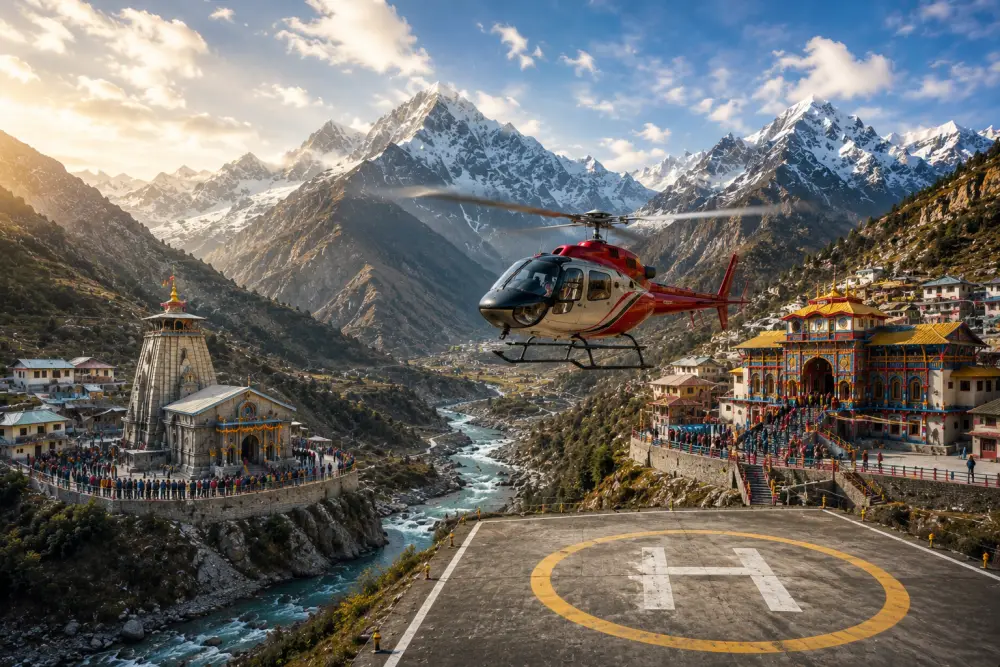
Logistical planning must align with ritual schedules. Devotees holding tickets for morning Abhishek pujas at Kedarnath (4:00 AM – 6:00 AM) must stay overnight at the Kedarnath base settlement. Helicopter shuttle services operating from Phata, Sirsi, or Guptkashi commence flights after 6:00 AM, making same-day morning Abhishek attendance via helicopter impossible. Pilgrims trekking up from Gaurikund (16 km) can utilize government-regulated pony, mule, or palanquin (Dandi/Palki) services booked at fixed rates from prepaid counters in Sonprayag or Gaurikund.
For Badrinath, which is directly connected by road, pilgrims staying in neighboring locations like Pandukeshwar or Joshi Math must factor in early morning road travel times to reach the temple gate by 4:00 AM for morning ceremonies.
The structured pooja framework managed by the Badrinath-Kedarnath Temple Committee balances ancient spiritual traditions with modern crowd logistics across the Garhwal Himalayas. By establishing transparent tariffs for morning Abhisheks, daytime scriptural recitations, evening Aartis, and remote postal services, the BKTC provides defined options for both physically present pilgrims and remote devotees. Securing advance digital reservations through official channels, aligning travel logistics with ritual schedules, and selecting appropriate seasonal windows allows common pilgrims to experience a well-organized and spiritually fulfilling pilgrimage to Shri Kedarnath Dham and Shri Badrinath Dham.
Keep Reading
View All Articles-
Kedarnath Tour Packages vs Kedarnath Shuttle
Kedarnath Dham (altitude ~3,581 m) can be reached either by a multi-day road-and-trek tour or by fast helicopter shuttles from nearby helipads
-
Unusual adventures in the vicinity of Corbett
A walk of approximately 8 kilometres is undertaken through the breathtakingly beautiful reserve forests of Corbett.
-
Hanol Mahasu Devta Travel Guide
The village of Hanol, situated in the Chakrata region of the Dehradun district of Uttarakhand, serves as the spiritual heart of the Jaunsar-Bawar territory.