

Spiritual Guides and Gurus
Sacred Sites of Mahavatar Babaji: The Ultimate Kriya Guide
Explore the physical locations and spiritual history of Mahavatar Babaji's abodes, including Badrinath, Kataragama, and the Dunagiri hills
 By Prerak "प्रेरक"
16 min read

Sacred Topographies of Mahavatar Babaji: An Indological and Geospatial Analysis of South Asian Sadhna Sites and Spiritual Lineages
Introduction: The Esoteric Landscape of the Deathless Master
The legacy of Mahavatar Babaji—alternatively addressed as Nagaraj, Tryambaka Baba, Mahakaya Babaji, and Shiva Baba presents a profound subject of study within the fields of Indology, South Asian spiritual history, and sacred geography. Described as an immortal, ever-youthful master who has retained his physical form for centuries, Babaji represents the apex of the Indian Siddha tradition. His life journey spans a vast geographic network of sadhna (spiritual practice) sites, bridging the ancient Tamil Siddha lineage of southern India and Sri Lanka with the esoteric yogic retreats of the high Himalayas. Rather than existing as isolated geographical coordinates, these sites form a highly structured energetic grid across the Indian subcontinent, reflecting a deliberate synchronization between geographic features and subtle yogic anatomy. This report provides an exhaustive, multi-dimensional analysis of the specific geographical coordinates, historical occurrences, spiritual mechanisms, and esoteric significance of the primary sites associated with Mahavatar Babaji’s spiritual practices, initiations, and revelations.
The Southern Cradle: Peninsular Formative Sites and Siddha Epistemology
The initial phases of Babaji’s physical trajectory were grounded in the coastal and forest regions of southern India and Sri Lanka. These locations served as the developmental crucible for his early spiritual practices under the direct guidance of two of the celebrated Eighteen Tamil Yoga Siddhas: Bhogarnathar and Agastya.
Birthplace and Primordial Anchors in Parangipettai
Historically known as Swethanathapuram, and colloquially referred to during the colonial era as Porto Novo, Parangipettai is a coastal village situated in the Cuddalore district of Tamil Nadu, approximately seven kilometers from the sacred temple town of Chidambaram. According to historical claims maintained by the Kriya Babaji Sangah, Babaji was born on November 30, 203 CE under the Rohini Nakshatra—the same stellar constellation associated with the birth of Lord Krishna. Another traditional source dates his birth to the year 562 BCE during the Tamil month of Karthigai, when the moon was transiting Karkataka rashi. Born to Nambudri Brahmin parents who had immigrated from the Malabar coast of Kerala, he was named Nagaraj, meaning "Serpent King," a designation directly symbolizing his future mastery over the kundalini shakti or latent spiritual energy. His father, Swethanatha Ayyar, served as the priest at the Muthukumaraswamy Temple, which today is dedicated to Muruga (Subrahmanya), Shiva's son.
An early event in his birthplace provides context on his early lessons in detachment. At the age of four, Babaji found and consumed a rare jackfruit set aside for a family feast by his mother, resulting in an incident where his mother, in a state of intense anger, stuffed a cloth into his mouth, nearly suffocating him. Nagaraj later interpreted this extreme discipline as a divine lesson in unconditional love detached from illusion. Between the ages of five and seven, during a temple festival, Nagaraj was kidnapped by a trader who recognized his value as a potential slave. He was transported northwards by sea in a sailboat for over a thousand miles to Calcutta, where he was purchased by a wealthy merchant who almost immediately granted him his freedom. In 1975, under the direction of Yogi S.A.A. Ramaiah, a traditional Dravidian-style granite temple known as the Kriya Babaji Temple was erected precisely at the identified site of his birthplace in Parangipettai, near the present-day Customs Office, where special weekly abhishekam ceremonies are performed.
The Kataragama Transition and Bhogarnathar's Guidance
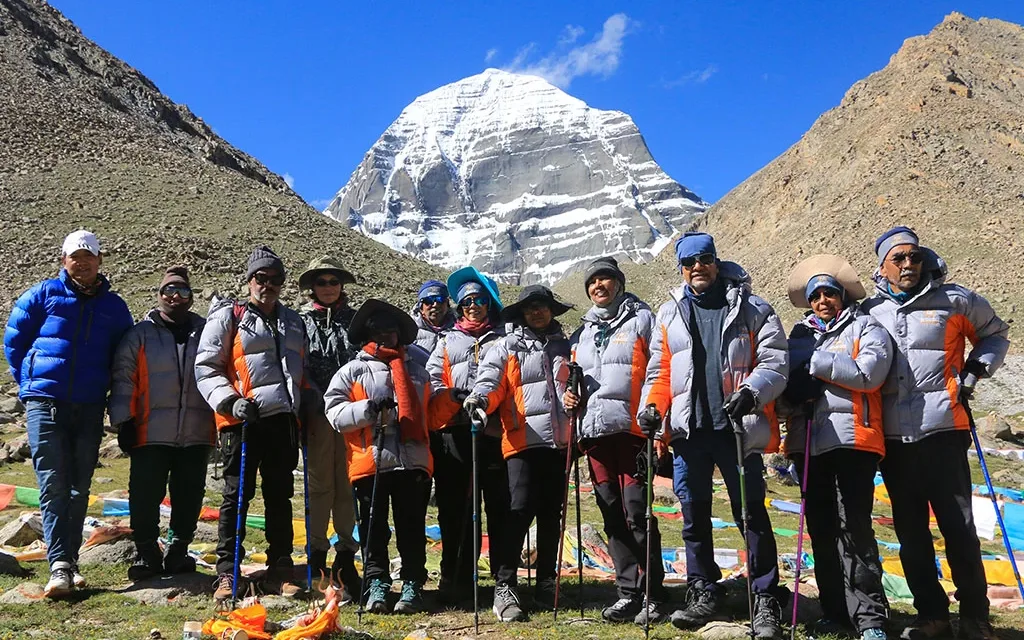
At the age of eleven, Nagaraj joined a small band of wandering monks, embarking on an arduous pilgrimage to Kataragama (Katirgama), located in the southern jungle region of Sri Lanka. In the esoteric geography of the subcontinent, Kataragama is recognized as Dakshina Kailasa (the Kailasa of the South). Intriguingly, Mount Kailash in the far north and Kataragama in the far south lie on the identical longitudinal coordinate of approximately 80.10* East. This longitudinal axis is understood to mirror the sushumna nadi (the primary subtle spine of the earth), with Kailasa representing the Sahasrara Chakra (thousand-petaled lotus) and Kataragama representing the Muladhara Chakra (root center). All those wishing to practice Kundalini Yoga are traditionally understood to enter through this root center, making Kataragama the ideal terrestrial entry point for Babaji's deeper spiritual work.
Unlike standard Hindu shrines, the inner sanctum of the Kataragama temple contains no carved anthropomorphic idol. Instead, it houses a sacred Mystic-Yantra a gold plate engraved with complex geometric symbols and mantra syllables—originally installed by Bhogarnathar to crystallize the energy of Lord Muruga. Under Bogar's tutelage, Nagaraj underwent rigorous dhyana kriyas, achieved savikalpa samadhi, and experienced a direct vision of Murugan. The Babaji Kriya Yoga Ashram, situated at No. 9, Naga Street in Kataragama, marks the exact location where this historic guru-disciple relationship unfolded.
Courtrallam and the Agastya Initiation
Following his studies in Sri Lanka, Bhogarnathar directed the fifteen-year-old Nagaraj to seek out his own master, the legendary Sage Agastya, who resided in the Western Ghats near Courtrallam, Tamil Nadu. Nagaraj performed a rigorous and uninterrupted 48-day penance (tapas) at Courtrallam, designed to prove his absolute dedication. Upon the completion of this period, Sage Agastya materialized and initiated him into Kriya Kundalini Pranayama a highly advanced scientific breathing technique designed to direct vital energy through the subtle pathways to achieve self-realization. Agastya then commanded the young initiate to travel deep into the northern Himalayas to Badrinath to synthesize and perfect these practices, which would eventually lead him to attain the state of a perfected master.
The Northern Transfiguration: Badrinath and the Glaciated Abodes
The transition of Babaji’s spiritual work from the southern plains to the glaciated peaks of the Garhwal Himalayas represents a critical evolutionary leap. Here, the practices of Kriya Yoga culminated in the transfiguration of his physical form into a state of physical immortality.
The Badrinath Cave Tapas and Sorubha Samadhi
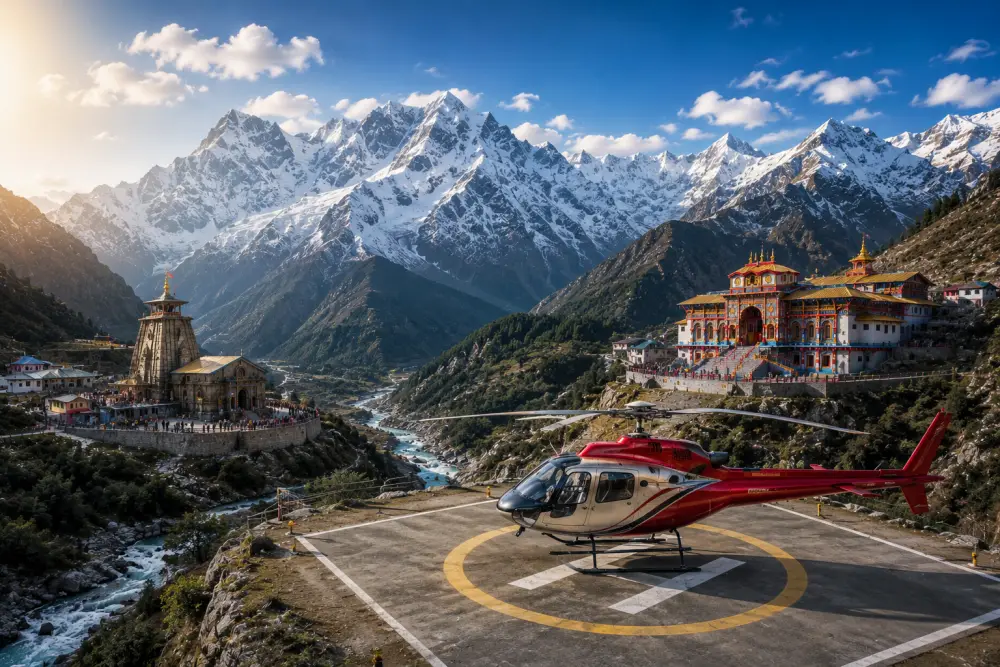
Obeying Agastya’s command, Nagaraj spent eighteen continuous months in complete isolation in a cave near Badrinath, practicing the combined systems of pranayama and dhyana taught by Bogar and Agastya. Through this unrelenting focus and the absolute surrender of ego down to the cellular level, he attained Sorubha Samadhi—the ultimate stage of yogic physical transfiguration wherein the physical body becomes free from the ravages of disease, decay, and biological death. This attainment mirrors the ancient accounts in the Bhagavata Purana, which describe Badrinath (Badrikashram) as the eternal abode where the dual incarnations of Vishnu, the sages Nara and Narayana, undergo penance for the welfare of the cosmos.
GowriShankar Peeta and Swarna Swargashram
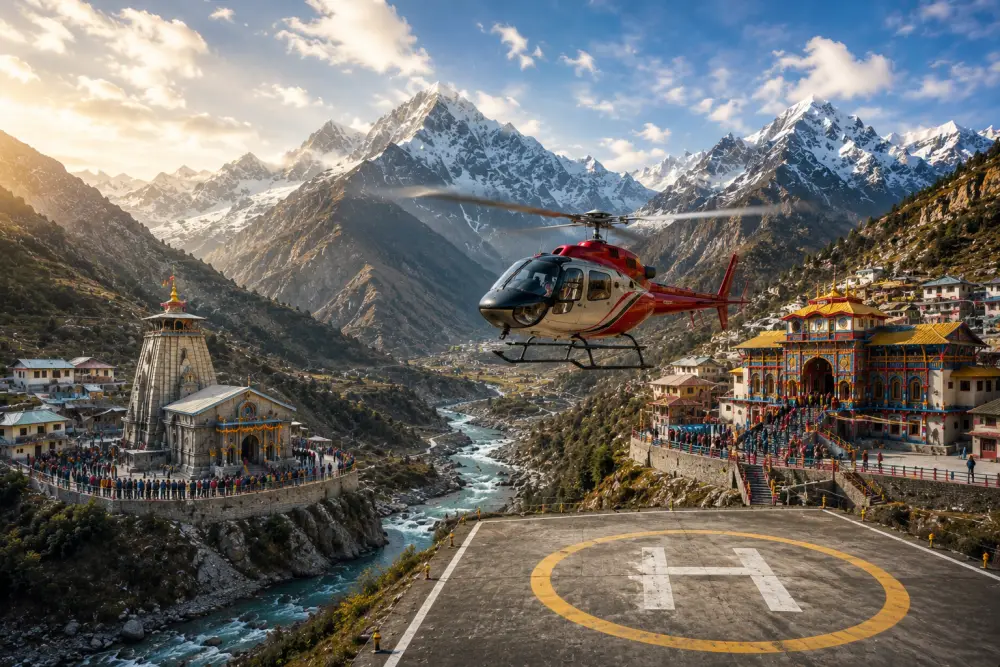
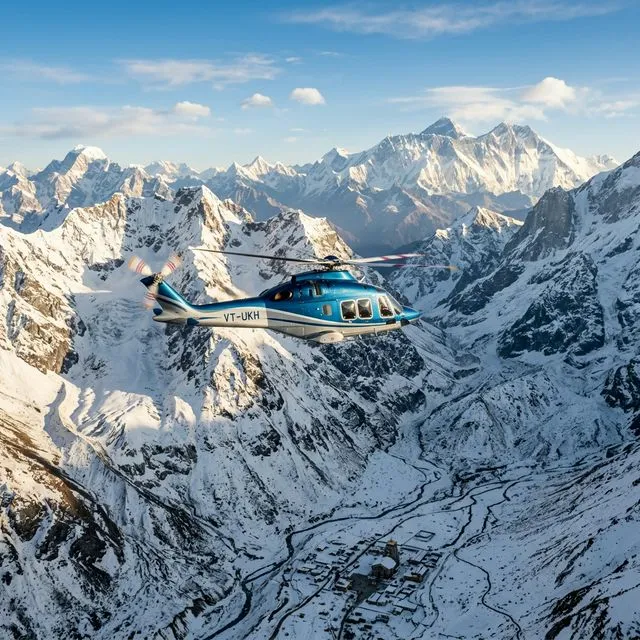
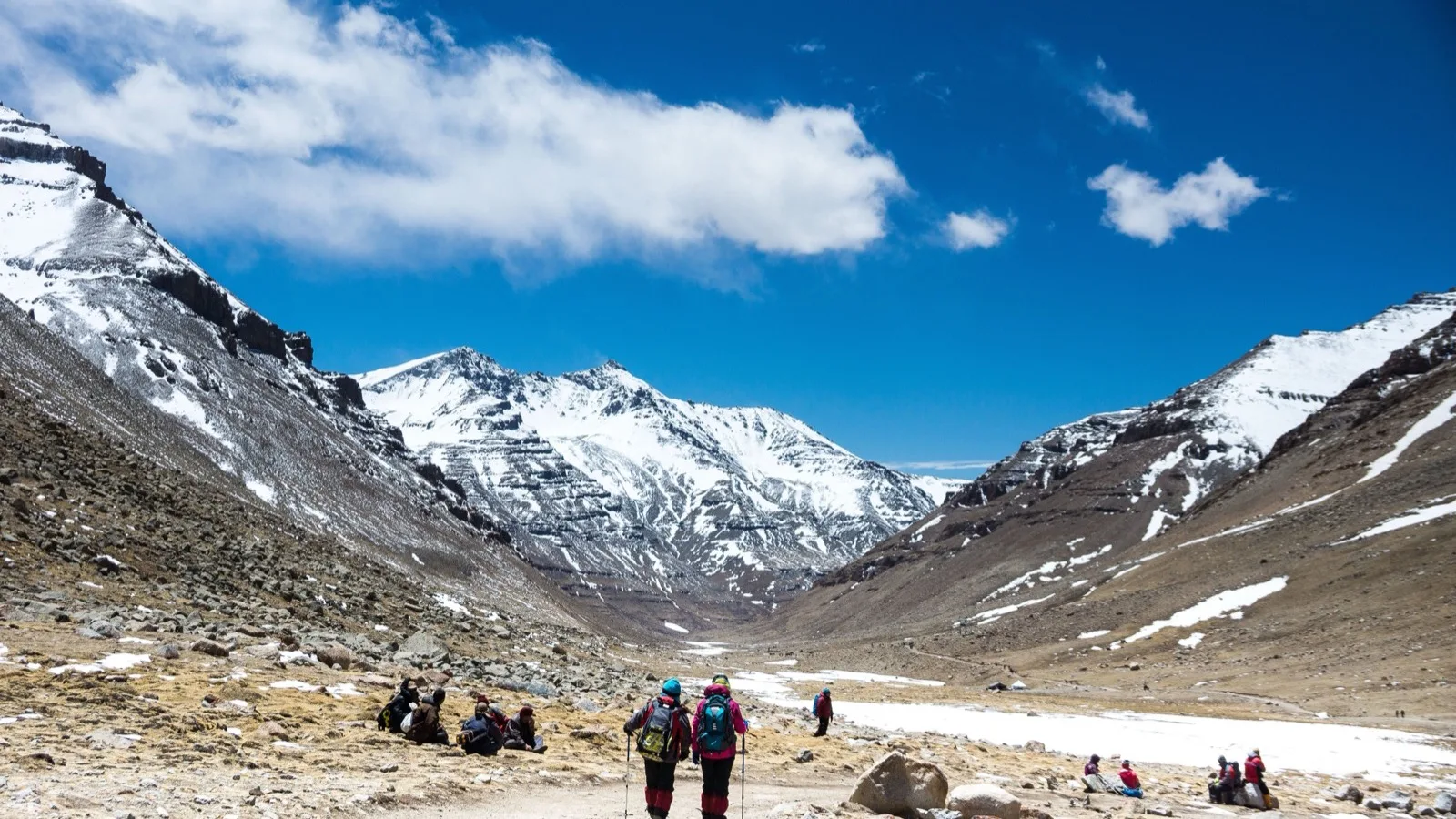
High above the standard pilgrimage routes of Badrinath, Babaji is said to maintain a permanent, multidimensional ashram known variously as GowriShankar Peeta or Swarna Swargashram. Situated at an altitude exceeding 16,000 feet above sea level, approximately 22 kilometers uphill from Badrinath, the ashram sits near the serene, triangular, high-altitude Satopanth Lake. The surrounding terrain is exceptionally rugged, characterized by massive boulders, sheer rock cliffs, and sparse alpine vegetation such as the bhuj (paper birch) plant. Due to these extreme conditions, only individuals in excellent physical shape often requiring supplemental oxygen can travel to the vicinity, frequently relying on local laborers from Mana Village to assist with security, setting up tents, and cooking.
Reaching the final stretch near the ashram is physically impossible without Babaji's grace. Approximately a mile from the site, the landscape becomes completely indistinguishable in all directions, representing the spiritual law that no one can arrive at the ashram uninvited. The entrance and exit of Swarna Swargashram are veiled from the world, remaining entirely invisible and beyond detection, and no technological devices—including voice recorders, cameras, or radar are capable of capturing any signals or images of Babaji or the ashram. The ashram is entirely self-sustained with its own natural sources of light and water. At the entrance, gentle natural waterfalls provide pure drinking water. The roof of the ashram is partially open to the sky, yet it is designed so that no rain enters the interior; instead, all rainwater is seamlessly channeled into the waterfalls.
The interior dimensions of Swarna Swargashram are divided into three highly structured concentric realms of spiritual evolution. The first, known as the Innermost Circle, is the immediate residence of Babaji and a minimal assembly of close disciples, prominently featuring Mataji Nagalakshmi, who serves the master and delivers subtle guidance to present souls. Beyond this lies the outer circle, reached via the Madhyama Dwara (Middle Gate), which hosts more than 300 highly elevated souls, including ancient sages, monks, and spiritual leaders who gather in Babaji's presence. This intermediate realm contains a tranquil pond of crystal-clear water and a series of natural caves where souls meditate in seated or standing postures. Notably, a diverse assembly of animals, birds, and reptiles coexists here in perfect harmony, reflecting a complete suspension of predatory instincts. The final gateway, the Maha Dwara (Great Gate), leads to an immense cosmic stadium housing over 3,000 souls from human history. This stadium includes individuals of both noble and notorious worldly backgrounds who made significant impacts during their earthly lives and are now gathered beyond the constraints of physical matter.
The time, place, and manner of experiencing Babaji's presence in this ashram remains a profound mystery. However, it is recorded that Babaji is always physically present in Swarna Swargashram during the Brahma Muhurta (the sacred early morning period), after which he vanishes from sight to attend to cosmic duties. In one modern account, Dr. N. Rajgopal experienced a mystical phenomenon on Monday, September 22, 2008, where Babaji transported him on a flight-like journey atop a transparent mat to Swarna Swargashram, completing the entire round-trip visit in just 10 to 15 minutes.
The Vyasa Gufa and Nilkantha Hill Lineages
Other sacred caves and peaks in the immediate Badrinath vicinity are closely linked to Babaji's historical interactions with other spiritual lineages, particularly the Nath tradition and modern disciples. Beyond the border village of Mana, the cave of Ved Vyasa stands as a powerful pilgrimage node where the Mahabharata was composed, situated close to a cave attributed to Lord Ganesha. It is at this Vyasa Gufa that the modern spiritual guide Sri M (Mumtaz Ali Khan, also known as Sri Madhukar Nath) met his guru, Sri Maheshwarnath Babaji, after leaving his home in Trivandrum at age nineteen.
Sri M lived with Maheshwarnath Babaji for three-and-a-half years, and his desire to meet the grand master Mahavatar Babaji was eventually fulfilled on Nilkantha Hill (Neelkanth Peak) above the Badrinath temple. Sri M describes how his master, Maheshwarnath Babaji, could materialize and dematerialize at will and revealed to him details of their collective past lives stretching over a five-thousand-year cycle, during which Sri M had been associated with various Indian saints.
Similarly, Yogi S.A.A. Ramaiah, born into a highly wealthy merchant banking family in Kanadukathan, spent six years encased in a plaster cast from neck to feet due to bone tuberculosis, during which he turned inward. Following a miraculous healing in 1952 prompted by a vision of Babaji, Ramaiah was physically summoned to Badrinath in 1954, where he spent three years training in a cave near the glacial Santopanth Tal lake under Babaji's direct instruction, eventually researching and preserving the writings of Boganathar and Agastyar.
The Kumaon Revitalization: Dwarahat, Kukuchina, and Pandukholi
While Badrinath represents Babaji’s ultimate retreat of physical immortality, the Dunagiri hills of the Kumaon region in Uttarakhand serve as the historical birthplace of modern Kriya Yoga, where Babaji re-introduced the practice to the modern world.
The 1861 Initiation of Lahiri Mahasaya
In the autumn of 1861, Shyam Charan Lahiri (Lahiri Mahasaya), an accountant for the Military Engineering Department of the British government, was posted to Ranikhet. While exploring the Dunagiri hills above Ranikhet, he heard his name called and climbed to a remote cave on Pandukholi Mountain, where he met a tall, divinely radiant sadhu who revealed himself to be Lahiri's past-life guru. This sadhu was Mahavatar Babaji, who then initiated him into the science of Kriya Yoga. To satisfy Lahiri Mahasaya’s latent, subconscious desire for sensory luxury before his initiation, Babaji temporarily materialized a magnificent golden palace in the Dunagiri wilderness.
Following the initiation, Babaji instructed Lahiri Mahasaya to return to the world as a householder-yogi, demonstrating that spiritual liberation was no longer the exclusive monopoly of ascetics but could be achieved by ordinary people performing their worldly duties. This marked the modern revival of Kriya Yoga in this Dwapara Yuga, establishing a lineage that later spread to the West through disciples like Swami Yukteswar and Paramahansa Yogananda.
Geospatial Metadata and Travel Logistics
The location of Mahavatar Babaji’s cave is precisely documented in modern geographical archives. According to digital camera metadata and GPS coordinates captured directly at the site, the cave's exact location is situated on Pandukholi Mountain within the Dunagiri range.
- Camera Location Outside the Cave: 29*50'00.24"N, 79*27'55.44"E
- Inside the Cave: 29*50'00.13"N, 79*27'55.55" E
- Signboard Location: 29*49'58.35N, 79*27'53.77"E
- Dunagiri Area Centroid: 29*49'23"N, 79*26'54"E
To facilitate academic field research and pilgrimage planning, the logistical pathways, transit times, and associated costs for traveling from key regional hubs to the Dunagiri sadhna sites are structured below.
Dwarahat YSS Ashram and Local Geography
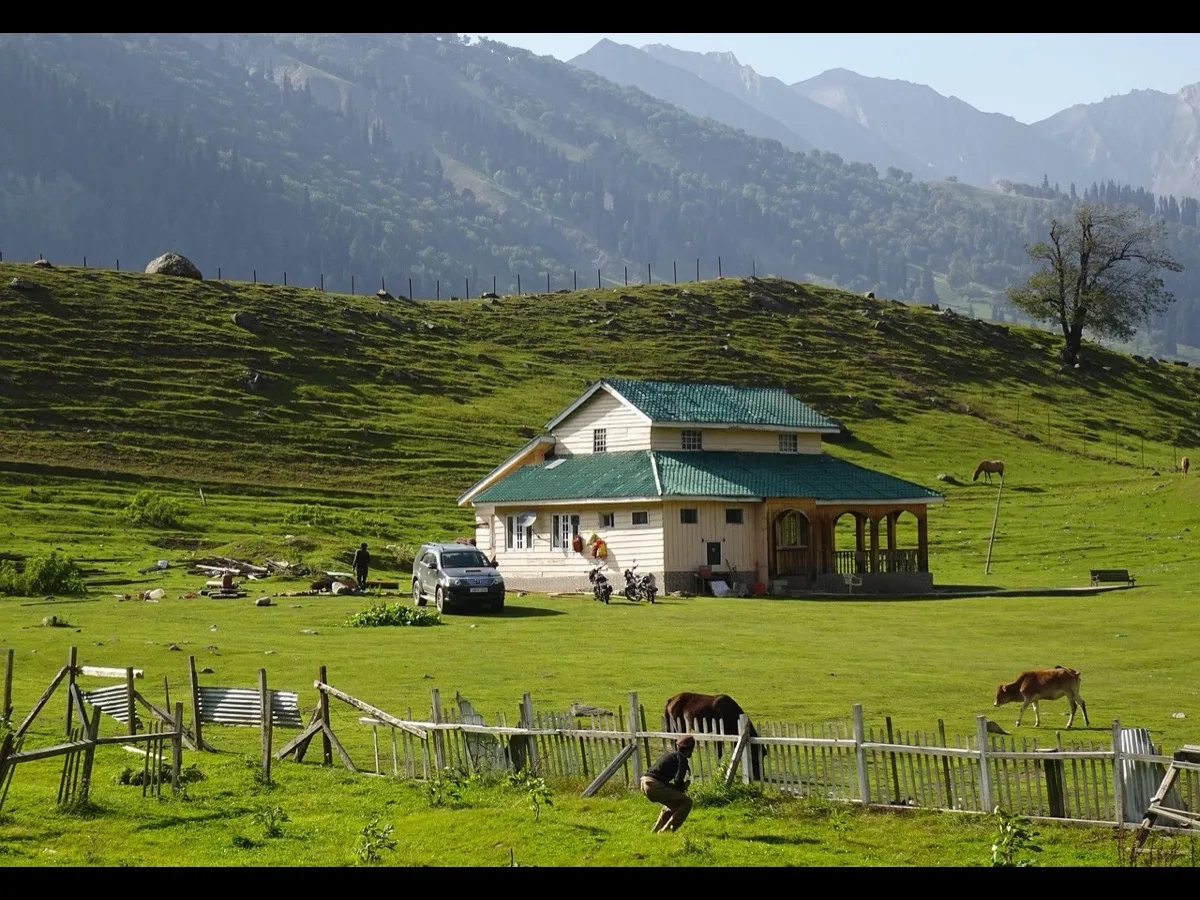
The primary spiritual and administrative anchor for visitors is the Yogoda Satsanga Sakha Ashram, situated approximately 1.5 kilometers outside the small town of Dwarahat in the Almora district, surrounded by dense pine forests. Historically, before the construction of the ashram, the president of the society, Sri Daya Mata, stayed at the nearby Government Rest House during her highly documented pilgrimage to the cave in 1963-64. The distance from Dwarahat to Kukuchina, the base hamlet, is 25 kilometers (or 19 kilometers uphill drive depending on the exact route taken), which requires roughly 50 minutes to 2 hours by local taxi services.
The climb from Kukuchina to the cave itself is a 3-kilometer hike that takes approximately 1 to 2 hours for an average person. During the monsoon season, the trail features several active streams that feed the Gogash River mentioned in the Autobiography of a Yogi. The cave operates under specific seasonal timings: during the summer (1 March to 30 September), it is open from 9:00 AM to 4:00 PM, while in the winter (1 October to 28 February), it is accessible from 10:00 AM to 3:30 PM. Logistical support, including the physical key to the cave, is often managed by local families at Kukuchina, such as the Joshi Guest House, which has accommodated devotees since 1980.
Dunagiri Temple, Pandukholi, and Surrounding Pilgrimage Nodes
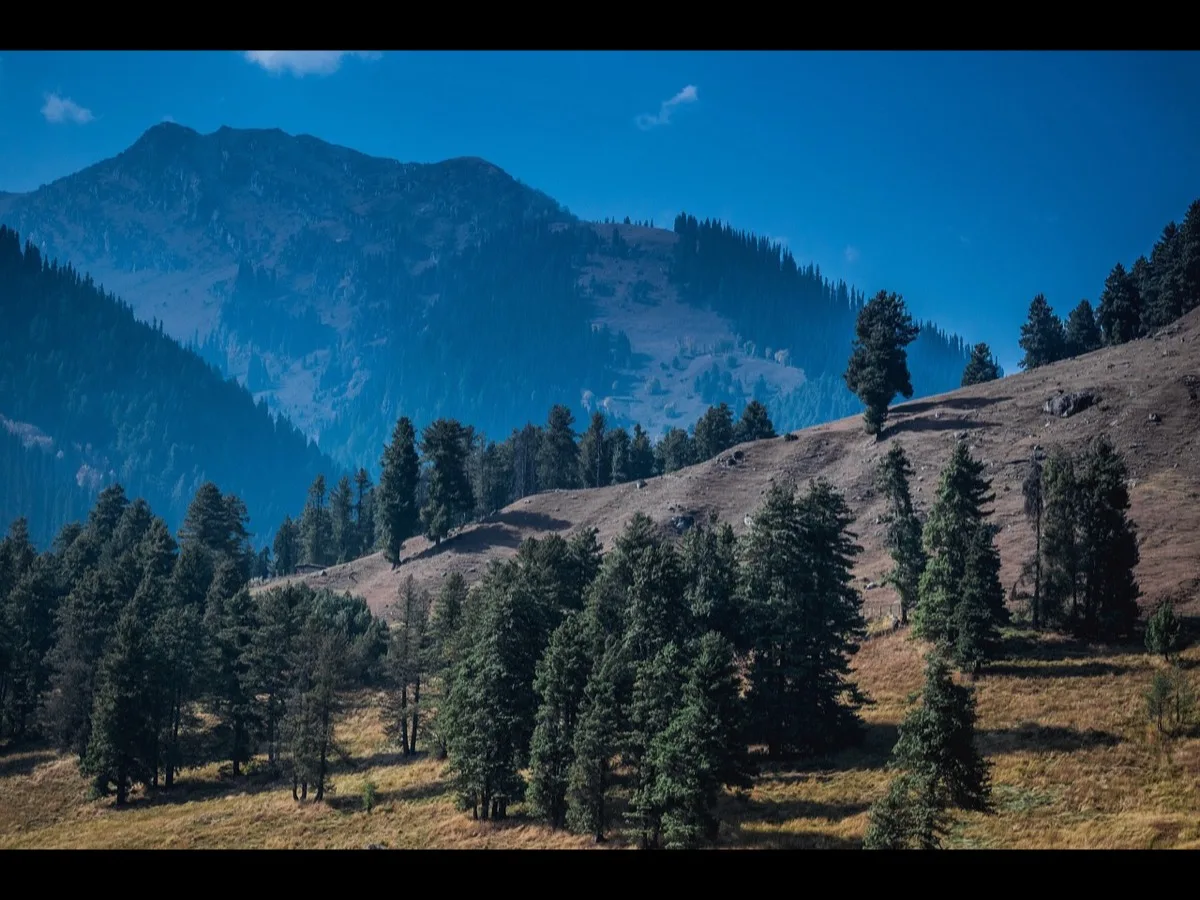
The spatial network surrounding Pandukholi is enriched by several highly revered religious landmarks. Conspicuous among these is the ancient Dunagiri Temple, a renowned Shakti Peeth dedicated to Goddess Durga, which represents the localized concentration of divine feminine energy and offers sweeping views of the Trishul and Nanda Devi peaks. Similarly, Pandukholi Village holds strong mythological associations, being traditionally recognized as a resting place of the Pandavas during their exile as described in the Mahabharata. Other proximate nodes of pilgrimage include the Lakhanpur Temple, the local Badrinath Temple of Dwarahat, and the extensive Jageshwar temple complex dedicated to Shiva, situated roughly 100 kilometers away, which is celebrated as one of the twelve sacred Jyotirlingas in India.
Parallel Himalayan Manifestations: The Haidakhan Tradition
A significant parallel branch of the research identifies Babaji with the historical manifestations of Haidakhan Babaji ( Hariakhan Baba), who taught publicly across northern India near the Himalayas between 1861 and 1924, with his last known early appearance recorded in 1952–53.
In June 1970, a youthful form of Babaji "appeared" in a natural cave at the foot of Kumaon Mount Kailash, located across the river from the remote village of Haidakhan in the Nainital District of Uttarakhand. Starting in late September 1970, Haidakhan Babaji spent 45 consecutive days meditating in a small temple on the summit of Kumaon Mount Kailash without leaving his seat, demonstrating a highly advanced level of yogic control. In September 1971, he successfully convinced a judge in the court of Haldwani of his identity as the "Old Hariakhan Baba" through detailed sworn testimony.
He taught publicly until his physical passing on February 14, 1984, due to heart failure. His legacy is preserved by the Haidakhandi Samaj through two principal ashrams: the primary Haidakhan Vishwa Mahadham in Haidakhan village (where his body was buried), and the Anandpuri Ashram in Chilliyanaula near Ranikhet, which provides extensive free cataract surgeries and dental clinics to the rural Himalayan populace.
Comparative Analysis of Sadhna Locations
The following comprehensive Markdown table provides a comparative synthesis of the key geographical coordinates, physical elevations, structural classifications, and primary spiritual events of the primary sadhna locations of Mahavatar Babaji.
|
Sadhna Site / Location Name |
Exact Geographic Coordinates |
Elevation (Meters & Feet) |
Structural Classification & Environment |
Primary Spiritual Event & Esoteric Function |
Associated Figures & Lineages |
|
Parangipettai Birthplace Temple |
11*30N, 79*45E |
Sea Level |
Coastal plains; traditional granite Dravidian architecture |
Primordial birth site (November 30, 203 CE); initial childhood sadhna |
Nambudri Brahmin Lineage; Swethanatha Ayyar; Yogi S.A.A. Ramaiah |
|
Kataragama (Katirgamam) Ashram |
6*25N, 81*20E |
150 m (492 ft) |
Southern jungle region; longitudinal alignment with Mt. Kailash |
Four years of intensive dhyana; vision of Lord Muruga; golden yantra work |
Siddha Bhogarnathar (Bogar); Lord Muruga (Shanmuga) |
|
Courtrallam Falls |
8*55'N, 77/*16' E |
160 m (525 ft) |
Forested cascade region of the Western Ghats |
48 days of intensive tapas; formal initiation into Kriya Kundalini Pranayama |
Siddha Agastya |
|
Badrinath Cave / Badrikashram |
30*44N, 79*29E |
3,133 m (10,279 ft) |
Alpine river valley; glaciated cliffs along the Alaknanda |
18-month solo cave tapas; complete transfiguration into physical immortality |
Sages Nara and Narayana; Adi Shankaracharya |
|
Swarna Swargashram (GowriShankar Peeta) |
Veiled / Undetectable by GPS |
4,875+ m (16,000+ ft) |
Multidimensional glacial retreat near Satopanth Lake |
Planetary command center; three concentric realms of discarnate souls |
Mataji Nagalakshmi; 300+ ancient masters; 3000+ historical souls |
|
Mahavatar Babaji Cave (Pandukholi) |
29*50'00.24N, 79*27'55.44"E |
2,231 m (7,321 ft) |
Sub-Himalayan pine forest; high mountain ridge |
Re-initiation of Lahiri Mahasaya in 1861; materialization of golden palace |
Shyam Charan Lahiri (Lahiri Mahasaya); Sri Daya Mata |
|
Haidakhan Cave / Mount Kailash |
29*19'N, 79*37'E |
1,100 m (3,608 ft) |
Lower Himalayan river valley (Gautami Ganga) |
Physical appearance of Haidakhan Babaji (1970); 45-day seated meditation |
Haidakhan Babaji; Sri Mahendra Baba |
Logistical Pathways and Transport Infrastructure to Pandukholi (Babaji's Cave)
The primary access route to the Kumaon region relies on well-established rail and road networks from Delhi or Dehradun. To assist field researchers, the chronological steps, transport modes, distances, and financial estimates are structured in the table below.
|
Route Stage & Direction |
Mode of Transport |
Distance & Duration |
Approximate Cost (INR) |
Key Operational Details & Safety Advisories |
|
Delhi to Kathgodam |
Ranikhet Express or Shatabdi Train |
300 km / 10-14 hours |
Variable by class |
Highly reliable overnight rail link; alternative road route is via NH9. |
|
Pantnagar Airport to Dwarahat |
Private Cab / Hire Car |
150 km / 5-6 hours |
₹5,000 - ₹6,500 |
Direct shared options from Pantnagar are highly limited; private booking is recommended. |
|
Kathgodam to Ranikhet |
Shared or Private Taxi |
135 km / 4 hours |
Shared: ₹300 - ₹500 / Private: ₹3,500 - ₹5,500 |
Arrive at Kathgodam early morning to catch active shared taxis and avoid delays. |
|
Ranikhet to Dwarahat |
Local Taxi / Bus |
37 km / 3 hours |
Shared: ₹250 - ₹300 |
Winding mountain roads; motion sickness remedies are highly recommended. |
|
Dwarahat to Kukuchina |
Local Shared Jeep |
19 km / 50 minutes |
₹25 (Shared) / ₹800 - ₹1,000 (Private) |
Last motorable section; road ends at the Joshi tea stall in Kukuchina. |
|
Kukuchina to Pandukholi Cave |
Foot Trek via Pine Forest |
3 km hike / 1-2 hours |
Guide: ₹500 - ₹1,000 |
Steep sections; wear sturdy hiking footwear; carry a flashlight and bottled water. |
The Structural and Energetic Grid of the Deathless Yogi
The comprehensive mapping of Mahavatar Babaji’s sadhna sites reveals a highly systematic, subcontinental infrastructure that bridges diverse physical terrains and spiritual lineages.
In the southern and peninsular phase, Babaji’s training was grounded in sites like Parangipettai, Kataragama, and Courtrallam, which were directly associated with the Tamil Siddha tradition. These locations were chosen for their unique geological and energetic features, such as the longitudinal sushumna alignment at $80.10^\circ \ ext{ East}$ that structurally anchors the root chakra of the earth.
The transition to Badrinath represents the transfiguration of his physical form into a state of physical immortality (Sorubha Samadhi), which is preserved in highly secluded, dimensional sanctuaries like Swarna Swargashram.
Finally, the selection of the Dunagiri range in Kumaon for the initiation of Lahiri Mahasaya in 1861 represents a deliberate historical pivot. By choosing a sub-Himalayan location that was physically accessible to modern transport networks, Babaji established a geographical gateway through which the ancient science of Kriya Yoga could transition from absolute monastic seclusion to a practical path for householders worldwide.
Ultimately, these sites remain active nodes of profound spiritual energy, drawing thousands of modern pilgrims to experience the timeless legacy of the deathless master.
Keep Reading
View All Articles-
Aghoracharya Baba Keenaram
This article provides a comprehensive historical, philosophical, and anthropological analysis of Baba Keenaram hagiography, his seminal literary contributions, the sacred geography of his headquarters at the Krim Kund Sthal in Varanasi
-
स्वामी अवधेशानन्द गिरि : आचार्य महामंडलेश्वर श्री पंच दशनाम जूना अखाड़ा
संन्यासी सत्ता का आधुनिकीकरण: स्वामी अवधेशानन्द गिरि और श्री पंच दशनाम जूना अखाड़ा के विकास का एक विस्तृत विश्लेषण
-
द्वाराहाट: महावतार बाबाजी की साधना स्थली और क्रिया योग की शाश्वत परंपरा
इसकी भौगोलिक संरचना में ऐतिहासिक द्वाराहाट कस्बा, सिद्ध शक्तिपीठ दूनागिरी और अंतिम मोटर मार्ग बिंदु कुकुछीना शामिल हैं, जो महावतार बाबाजी की गुफा के मुख्य प्रवेश द्वार के रूप में कार्य करते हैं ।