
Infrastructure & Policy
The Haridwar Purna Kumbh Mela 2033
The Kumbh Mela represents the largest peaceful gathering of humanity on Earth, recognized globally as a masterpiece of intangible cultural heritage.
 By Spiritual Yatra
16 min read
By Spiritual Yatra
16 min read

The Haridwar Purna Kumbh Mela 2033: Astrological Alignments, Historical Evolution, and Pilgrimage Logistics
The Kumbh Mela represents the largest peaceful gathering of humanity on Earth, recognized globally as a masterpiece of intangible cultural heritage. Among the four sacred river venues where this monumental festival rotates, the ancient city of Haridwar occupies a position of primordial spiritual authority. Located where the sacred River Ganges emerges from the Himalayan gorges to enter the Indo-Gangetic plains, Haridwar will host its next full-cycle Purna Kumbh Mela in the year 2033. This articleysis provides a detailed, expert-level examination of the 2033 Haridwar Kumbh Mela, exploring its mythological origins, complex astrological mechanics, precise bathing schedules, administrative preparations, and practical logistics for pilgrims and international travelers.
Mythological Genesis and Historical Legacy
To understand the scale of devotion that draws tens of millions to the banks of the Ganges, one must explore ancient Puranic cosmology. According to Hindu scripture, the mythological Samudra Manthan (the churning of the ocean of milk) by the Devas (gods) and Asuras (demons) yielded the Kumbha (pitcher) containing Amrita, the nectar of immortality. During a celestial pursuit to keep the nectar away from demonic forces, the divine bird deity Garuda carried the pitcher. In this high-stakes cosmic flight, four drops of the divine elixir spilled onto Earth, consecrating four distinct geographical locations: Prayagraj, Haridwar, Ujjain, and Nashik.
In Haridwar, the exact spot where the celestial nectar fell is believed to be the Brahma Kund, nestled within the iconic Har Ki Pauri ghat. Consequently, taking a holy dip in the Ganges during the designated planetary configurations of the Kumbh Mela is believed to wash away lifetimes of accumulated karmic burdens, liberating the soul from the endless cycle of birth, death, and rebirth—a spiritual state known as Moksha.
The liturgical identity of Haridwar is deeply intertwined with this spiritual transition. In Sanskrit, the name translates both to "The Gateway to Vishnu" (Haridwar) and "The Gateway to Shiva" (Hardwar), serving as the physical starting point for pilgrims embarking on the Char Dham circuit to Badrinath, Kedarnath, Gangotri, and Yamunotri. Historically, the festival's twelve-year cycle has been documented for centuries. The Persian text Khulasat-ut-Tawarikh (1695) mentions that during the Mughal Empire, people assembled annually at Haridwar when the Sun entered Aries, but once every twelve years, when the Sun entered Aquarius, travelers from vast distances gathered for ritual bathing, almsgiving, head tonsuring, and the immersion of ancestral bones to secure eternal salvation.
During the Mughal period, the waters of the Ganges at Haridwar were so highly revered that Emperor Akbar drank only this water, referring to it as the 'water of immortality,' and even established a copper mint in the city. Raja Man Singh of Amber laid the foundation of the modern urban layout of Haridwar and reconstructed the bathing ghats at Har Ki Pauri. Later, his ashes were immersed in the sacred Brahma Kund. Nineteenth-century Western cultural representations, such as Letitia Elizabeth Landon's poetry in "Hurdwar, a Place of Hindoo Pilgrimage" based on Samuel Prout's landscape paintings, further established the global recognition of this sacred space.
Astrological Computation of the 2033 Kumbh Yoga
The timing of the Kumbh Mela is not governed by the Gregorian calendar but is calculated using sidereal astrology (Jyotish) based on the Hindu lunisolar panchang. The festival is activated when specific planetary alignments—known as Kumbh Yoga—occur, involving the Sun (Surya), the Moon (Chandra), and Jupiter (Guru or Brihaspati). Jupiter, the planet of spiritual expansion, takes approximately 11.86 years to complete its orbit around the Sun. The Sun represents the soul and vital energy, while the Moon governs emotional tides and bodily fluids. When these bodies align in specific zodiac signs over the respective sacred rivers, a highly potent energetic window opens on Earth.
In Vedic understanding, specific planetary configurations involving Jupiter, the Sun, and the Moon create a rare energetic field that influences human consciousness, rituals, and spiritual outcomes on Earth. During this period, the planetary influences are believed to be most conducive to spiritual purification and transformation. Devotees who seek to align with these celestial energies often employ physical remedies. For instance, a five-faced (5 Mukhi) Rudraksha bead, ruled by Jupiter, is highly recommended for wear during the Kumbh Mela as a natural resonator of planetary energy, while the 1 Mukhi (Sun), 2 Mukhi (Moon), and 14 Mukhi (Saturn) beads are used to harmonize the devotee's astrological chart with the cosmic shift.
|
Location |
Sacred Water Body |
Jupiter (Guru) Position |
Sun (Surya) Position |
Moon (Chandra) Position / Timing |
|
Haridwar |
River Ganges |
Aquarius (Kumbha) |
Aries (Mesha) |
Chaitra/Vaishakha Month Lunar Cycles |
|
Prayagraj |
Confluence of Ganges, Yamuna, & Saraswati |
Aries (Mesha) or Taurus (Vrishabha) |
Capricorn (Makara) |
Makar Sankranti & Mauni Amavasya |
|
Ujjain |
River Shipra |
Leo (Simha) |
Aries (Mesha) |
Vaishakha Lunar Month Conjunctions |
|
Nashik |
River Godavari |
Leo (Simha) |
Cancer (Karka) or Leo (Simha) |
Ashadha/Shravana Month Lunar Cycles |
In Haridwar, the entry of Jupiter into Aquarius (Kumbha Rashi) combined with the transit of the Sun into Aries (Mesha Sankranti) defines the astronomical boundary of the Purna Kumbh. For the 2033 event, Jupiter’s transit into Aquarius is calculated to occur on March 17, 2033 , while the Sun enters Aries on April 14, 2033.
The 2033 Temporal Framework and Bathing Schedules
Because the Kumbh Mela represents both a massive social festival and a strict astronomical alignment, two parallel calendars emerge for the 2033 Haridwar Kumbh Mela.
The local administration and religious bodies establish an extended administrative and devotional window beginning on the highly auspicious day of Makar Sankranti (January 14, 2033) and concluding after Chaitra Purnima (April 27, 2033). This allows the infrastructure to host the millions of pilgrims who arrive during the winter-to-spring transition.
Conversely, for purists and spiritual practitioners, the exact Kumbha Yoga—the period where the water is believed to hold the highest concentration of divine energy—lasts for exactly 32 days, commencing on April 14, 2033, and concluding on May 15, 2033.
The Shahi Snan (Royal Bathing) Schedule
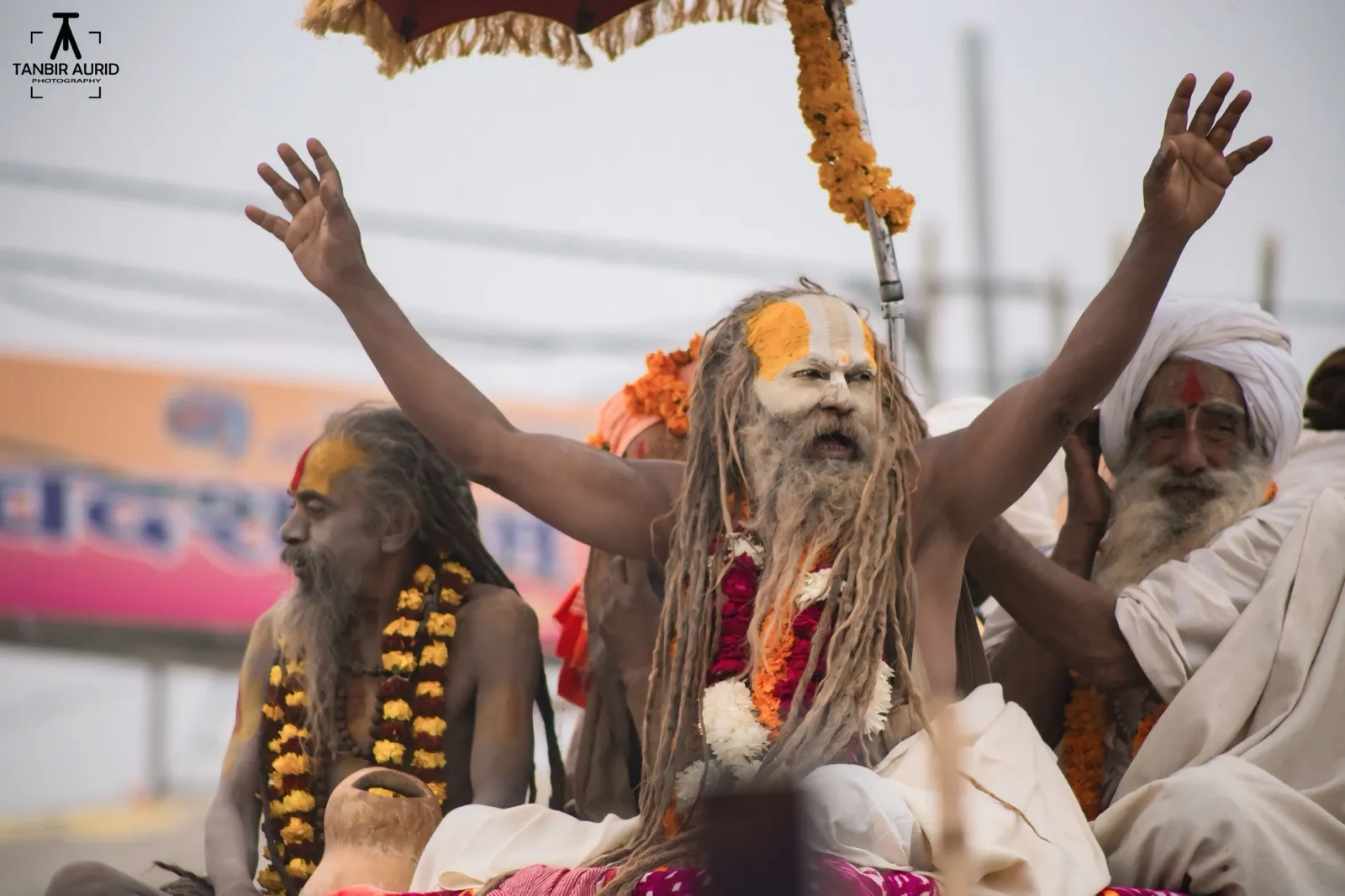
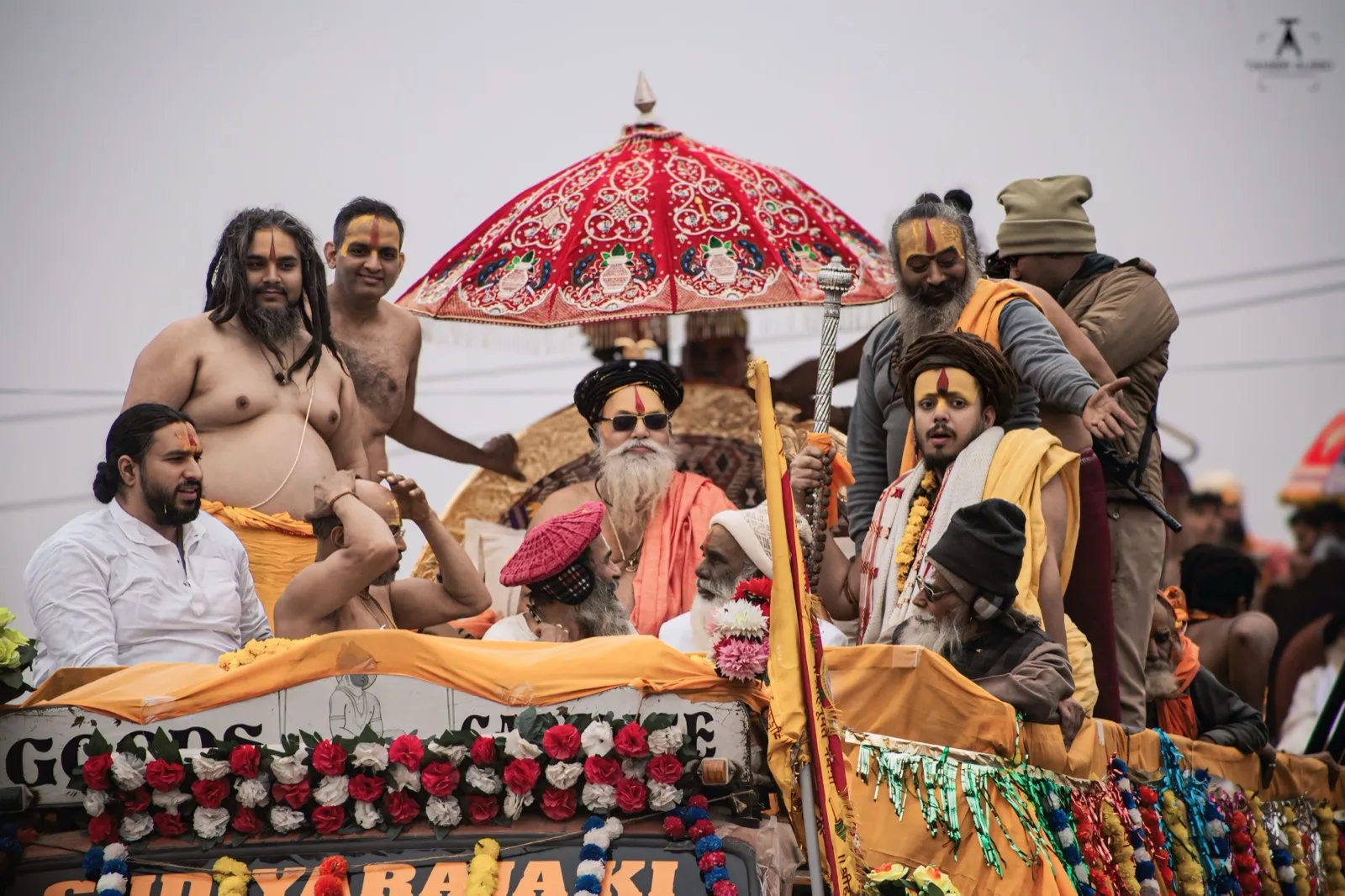
The Shahi Snans are the main events of the Kumbh Mela. During these hours, the primary ghats are reserved exclusively for the royal processions of the Akharas (monastic orders of sadhus) before the general public is permitted to bathe.
The scheduled Shahi Snans for the extended 2033 Haridwar festival are structured as follows:
|
Bathing Event |
Date |
Day |
Spiritual and Astrological Significance |
|
Festival Inauguration |
January 14, 2033 |
Friday |
Makar Sankranti: The Sun begins its northward journey (Uttarayana), initiating the sacred period of solar energy. |
|
First Shahi Snan |
March 11, 2033 |
Thursday |
Maha Shivratri: Dedicated to Lord Shiva; a night of profound meditation and cosmic alignment. |
|
Second Shahi Snan |
April 12, 2033 |
Monday |
Somvati Amavasya: A highly powerful no-moon day falling on a Monday, when the Moon's gravitational influence on bodily and earthly waters is at its peak. |
|
Third Shahi Snan |
April 14, 2033 |
Wednesday |
Mesh Sankranti & Baisakhi: The exact astrological commencement of the Kumbha Yoga as the Sun enters Aries. |
|
Fourth Shahi Snan / Closing |
April 27, 2033 |
Tuesday |
Chaitra Purnima: The full moon of the Chaitra month, coinciding with Hanuman Jayanti, marking the culmination of the extended festival. |
The Core Kumbha Yoga Calendar (32-Day High-Potency Window)
For spiritual seekers focusing on the peak astrological period when Jupiter resides in Aquarius and the Sun resides in Aries, the 32-day calendar features several important bathing days (Snan dates) associated with Hindu festivals :
|
Day of Kumbh |
Date |
Day |
Festival / Auspicious Occasion |
|
1st Day |
April 14, 2033 |
Thursday |
Purna Kumbha Begins, Mesha Sankranti, Chaitra Purnima, Hanuman Jayanti (Sankranti Moment: 04:31 AM) |
|
12th Day |
April 25, 2033 |
Monday |
Varuthini Ekadashi |
|
18th Day |
May 1, 2033 |
Sunday |
Akshaya Tritiya, Parashurama Jayanti |
|
22nd Day |
May 5, 2033 |
Thursday |
Ganga Saptami |
|
24th Day |
May 7, 2033 |
Saturday |
Sita Navami |
|
27th Day |
May 10, 2033 |
Tuesday |
Mohini Ekadashi |
|
29th Day |
May 12, 2033 |
Thursday |
Narasimha Jayanti |
|
31st Day |
May 14, 2033 |
Saturday |
Buddha Purnima, Vaishakha Purnima |
|
32nd Day |
May 15, 2033 |
Sunday |
Purna Kumbha Ends, Vrishabha Sankranti, Narada Jayanti (Sankranti Moment: 01:23 AM) |
This parallel computational model explains why various sources list the 2033 Kumbh Mela dates differently; the three-month window serves administrative and general pilgrim needs, while the 32-day window represents the exact astronomical alignment of the Kumbha Yoga.
Historical attendance records emphasize the massive logistical challenge of managing these dates. During the 2010 Haridwar Kumbh Mela, approximately 80 million (8 crore) devotees visited the city over its duration, with a single-day peak of 10 million bathing on April 14, 2010. Conversely, the 2021 Kumbh was heavily impacted by the COVID-19 pandemic, forcing a compression of its schedule from the typical 3-to-4 months down to a strict 30-day window (April 1 to April 30, 2021).
Geographical and Spatial Realities of Haridwar

Haridwar lies nestled at the foothills of the Shivalik ranges, covering an area of 2,360 square kilometers at an altitude of 292.7 meters. Its coordinates are approximately 29.58° N latitude and 78.13° E longitude. The region experiences dramatic seasonal variations; summer temperatures peak at 42.5°C and drop to 16.9°C, while winter temperatures range from 28.3°C down to 6°C, with an annual rainfall of 165 cm. This climate dictates the need for insulated housing during the earlier phases of the festival and proper heat management during the later stages.
To accommodate the influx of pilgrims, the riverbanks of Haridwar are divided into numerous bathing ghats, each carrying distinct historical and spiritual significance.
- Har Ki Pauri (Brahma Kund): This is the undisputed epicenter of the Kumbh Mela. Constructed by King Vikramaditya in memory of his brother Bhartrihari, who spent his final days meditating on these banks, the ghat is believed to hold the footprints of Lord Vishnu (Vishnucharanpaduka) imprinted on a stone wall beneath the waters. It is also the site where the daily, world-renowned Ganga Aarti takes place at twilight—a synchronized ritual of massive flaming brass lamps, conch shell blowing, and Vedic chanting.
- Asthi Parvath Ghat: Located immediately south of the main Ganga temple, this ghat is dedicated to the immersion of the ashes of the deceased. It is linked to the legendary King Bhagiratha, who brought the Ganga down from heaven to grant salvation to his 60,000 ancestors.
- Subhash Ghat: Named after the freedom fighter Netaji Subhash Chandra Bose, this ghat lies adjacent to Har Ki Pauri. It features a voluntary dispensary run by the Sewa Samiti to assist pilgrims.
- Gau Ghat: Historically associated with the unique Indian veneration of the cow (Kamadhenu), taking a dip here is believed to bring immense spiritual wellness and offer solace to those mourning the loss of loved ones.
In preparation for the 2033 crowds, the municipal board of Haridwar, in coordination with the Ganga Sabha (which administers the Har Ki Pauri area), has initiated a major policy change. This involves expanding the existing ban on meat and liquor (previously confined to a 5-km radius of the main bathing ghat) to a comprehensive ban on raw meat sales across the entire municipal limits, relocating butcher shops and markets (in areas like Jawalapur and Jagjeetpur) to the outskirts of the city. This serves to enhance sanitation, manage stray dog populations attracted to waste, and preserve the ritual purity of the pilgrimage city.
Regional Pilgrim Shrines and the Rishikesh Extension
While the ritual bath is the primary focus of the Kumbh Mela, Haridwar and its sister city, Rishikesh, offer a rich ecosystem of temples, ashrams, and natural sites that complete the pilgrimage experience.
The Siddhapeeth Triangle of Haridwar
Haridwar is protected by three highly sacred shrines dedicated to the Goddess Shakti, forming a sacred triangle across the city :
- Mansa Devi Temple: Located atop the Bilwa Parvat on the Shivalik range, this temple is dedicated to Goddess Mansa, believed to have emerged from the mind of Sage Kashyapa. Devotees tie threads around a sacred tree here to fulfill their wishes. Access is via a 1.5 km steep trek, 480 steps, or the 'Mansa Devi Udankhatola' cable car.
- Chandi Devi Temple: Situated on Neel Parvat, this temple was established in the 8th century by Adi Shankaracharya. It marks the spot where Goddess Parvati killed the demon generals Chanda and Munda. It can be reached via a 3 km trek or a cable car.
- Maya Devi Temple: Located in the heart of the city, this temple is dedicated to the patron deity of Haridwar (historically known as Mayapuri). It completes the Siddhapeeth triangle and is revered as a Shakti Peeth.
Other key landmarks in Haridwar include the Daksheswara Mahadev Temple in Kankhal, built on the site of the legendary Yagna of King Daksha, which led to the self-immolation of Goddess Sati in the adjacent Sati Kund. For modern seekers, Patanjali Yogpeeth offers a vast campus dedicated to research in yoga and Ayurveda, while the peaceful Sapt Rishi Ashram marks the spot where the Ganges splits into seven streams to avoid disturbing the meditation of seven Vedic sages. Nature enthusiasts can visit the Neel Dhara Pakshi Vihar, a forested bird watchers' paradise situated 3.5 km away, which attracts thousands of migratory birds during the winter months.
The Rishikesh Spiritual Extension
Located just 25 km upstream, Rishikesh offers a quieter, ashram-centric retreat on non-bathing days. Pilgrims can explore a highly developed network of ancient and modern shrines :
- Neelkantha Mahadeva Temple: Dedicated to Lord Shiva, located 7 km from Swarg Ashram, accessible via a three-hour forest trek or by road; devotees carry Ganga water to offer to the deity.
- Bharat Mandir: Founded in the 12th century by Adi Shankaracharya, it is the oldest temple in Rishikesh, housing a black Shaligram deity of Lord Vishnu.
- Kunjapuri Devi Temple: One of the 52 Shaktipeeths on Kunjapuri Hill, offering spectacular views of Shivalik, Bandarpunch, and Chaukhamba peaks.
- Tera Manzil Temple (Trimbakeshwar Temple): A striking 13-story temple opposite Laxman Jhula, featuring multiple deities on each floor and panoramic landscape views.
- Shatrughna Temple: Situated near Ram Jhula, built by Adi Shankaracharya, and dedicated to Lord Lakshmana (Lord Rama's younger brother).
- Rishi Kund: A natural hot water spring adjacent to the Raghunath Temple, believed to be blessed by the River Yamuna for a meditating sage.
Rishikesh is also famous for Gita Bhawan, a massive complex on the shores of the Ganges offering over 1,000 free rooms for pilgrims, and Parmarth Niketan, the largest ashram in the city, which features a daily sunset Ganga Aarti opposite its iconic giant Shiva Statue.
Administrative Preparedness and Infrastructural Foundations
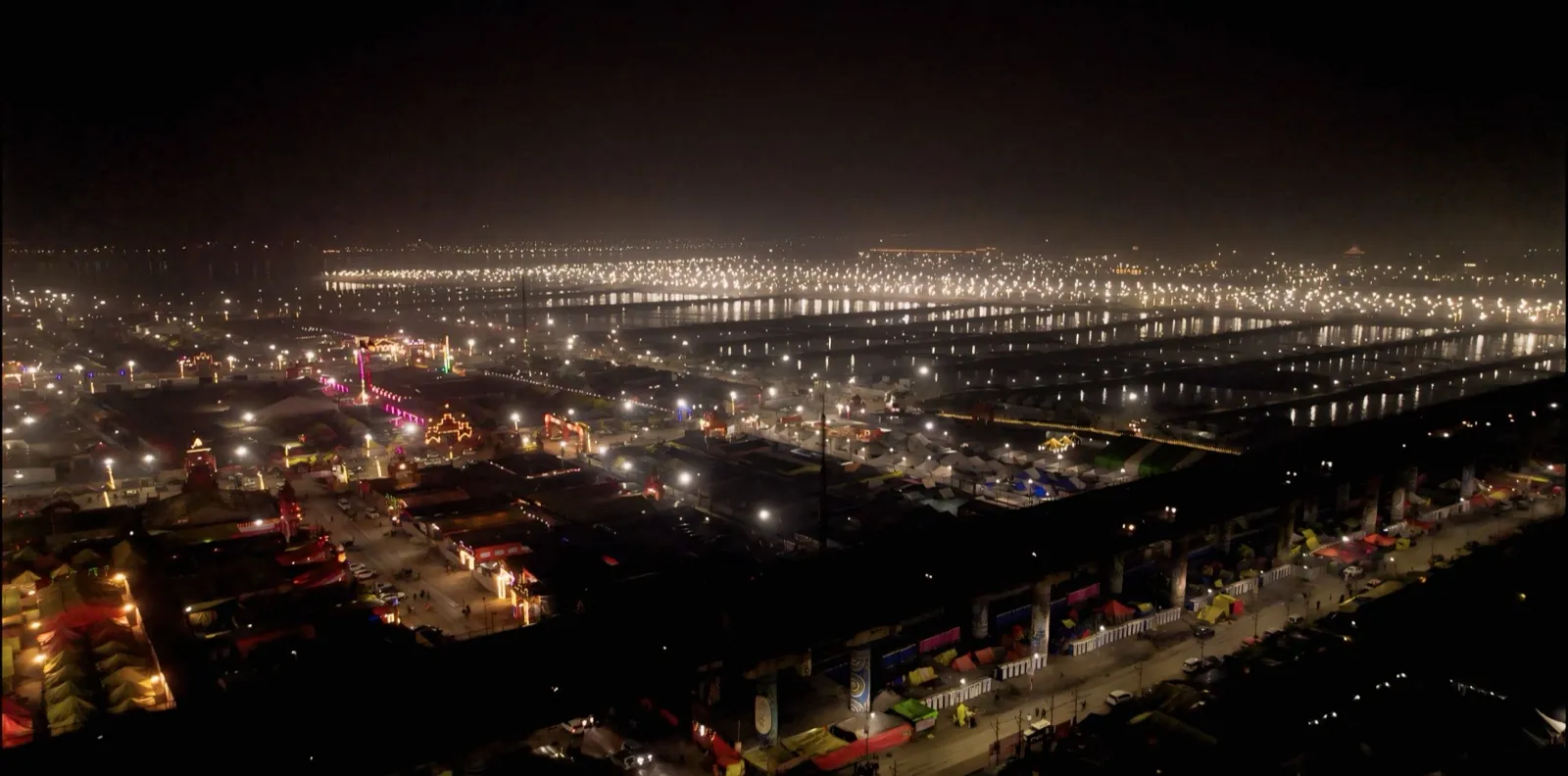
Managing a gathering of tens of millions of people requires massive coordination between state and central governments. Ahead of the 2033 cycle, the Uttarakhand state government has accelerated several permanent infrastructure projects.
The Central Government approved ₹500 crore in dedicated funding to accelerate infrastructure development. Chief Minister Pushkar Singh Dhami sought early approvals for ₹408.82 crore under the National Mission for Clean Ganga (Namami Gange) to ensure the uninterrupted flow of clean water, alongside ₹253 crore for flood protection works. This was supplemented by a massive ₹1,200 crore overall sanctioned state outlay, with ₹282.29 crore earmarked for 28 major municipal projects.
Key physical developments designed to optimize pedestrian flow and security include:
- Command and Control Centre (CCR-2): Budgeted at ₹50.27 crore, this state-of-the-art center incorporates modern crowd-monitoring technologies and features a rooftop helipad to facilitate rapid medical evacuations and aerial surveillance during peak days.
- Sukhi River Cable Net Arch Bridge: Measuring 44.80 meters and budgeted at ₹13.21 crore, this new bridge replaces a hazardous causeway leading to the Kankhal cremation ground, mitigating monsoon flooding risks.
- Mayapur Escape Channel Bridge: A 60-meter bow-string steel girder bridge budgeted at ₹12.46 crore, linking Dakshdweep with the Bairagi Camp parking zone to decongest key pedestrian corridors.
E-Governance and Pilgrim Registration Protocol
To prevent overcrowding and ensure pilgrim safety, the government has replaced the pandemic-era e-pass system with a streamlined, free, and mandatory biometric registration system linked to the Tourist Care Uttarakhand portal. Every pilgrim must complete this registration to access the bathing ghats and surrounding temples.
Upon successful registration, pilgrims receive a Yatra Registration Letter containing a unique QR code, which is scanned at authorized checkpoints throughout the city.
|
Step |
Phase |
Action Required |
|
1 |
Access Portal |
Visit the official portal registrationandtouristcare.uk.gov.in or download the "Tourist Care Uttarakhand" mobile application. Alternatively, send "Yatra" via WhatsApp to +91-8394833833. |
|
2 |
Account Creation |
Register a new account as an "Individual", "Family", or "Tour Operator" by entering your name and verified mobile number. |
|
3 |
Tour Planning |
Click "Create/Manage Tour Info", select travel dates, expected transit mode, and the specific bathing dates or temples to visit. |
|
4 |
Document Upload |
Input personal details (age, gender, address, emergency contact) and upload a valid government-issued photo ID (Aadhaar Card, Passport, Voter ID, or Driving License) along with a passport-sized photograph. |
|
5 |
Download Pass |
Save the details and download the Yatra Registration Letter / travel pass containing the unique QR code. |
|
6 |
On-Ground Verification |
Present the QR code (digitally or printed) to the Yatrimitras (pilgrim guides) at checkpoints for scanning and verification before entering the ghat zones. |
Note: For individuals who cannot complete the online process, physical biometric registration counters are set up at key entry points, including the Haridwar Railway Station and local transit hubs.
Travel, Accommodation, and Logistics Management
Because hotel rooms in Haridwar book out months in advance and experience significant price increases during the Kumbh, a diverse temporary housing market is established to accommodate pilgrims.
Temporary Housing: The Tented Cities
Special secure colonies of Swiss cottages, Maharaja tents, and group camps are erected along the riverbeds. These structures are weather-sealed, eco-friendly, and often within walking distance of the main ghats.
|
Accommodation Type |
Targeted Demographic |
Included Facilities |
Average Price Range (Per Night) |
|
Standard / Dormitory Tents |
Solo pilgrims, budget travelers |
Single cots, common bathrooms, 24/7 security, basic charging points |
₹800 – ₹1,500 |
|
Deluxe Tents |
Couples, small families |
Comfortable bedding, attached bathrooms, running water, room heaters |
₹1,500 – ₹3,000 |
|
Swiss Cottage Tents |
Premium seekers, families |
King-size beds, attached modern bathrooms, climate control (AC/Heater), lounge seating |
₹3,000 – ₹6,000 |
|
Luxury Maharaja Tents |
VIP guests, international tourists |
Sanganeri/Jodhpuri interiors, private verandahs, daily housekeeping, organic dining, private security option |
₹6,000 – ₹18,000+ |
|
Group Camps |
Religious organizations, larger families |
Multiple beds, shared common spaces, communal vegetarian buffet dining |
₹600 – ₹1,000 (Per Person) |
Transport and Connectivity
Haridwar is exceptionally well-connected by road, rail, and air.
Reaching Haridwar by Air
The nearest air gateway is Jolly Grant Airport (DED) in Dehradun, located approximately 36 to 38 kilometers away. The airport has daily direct flight connections to major hubs like New Delhi.
Transit options from Dehradun Airport to Haridwar are highly developed:
|
Transport Mode |
Est. Travel Time |
Approx. Fare |
Best For |
|
Private Sedan / Cab |
50 – 70 minutes |
₹2,000 – ₹2,500 |
Solo travelers, couples, quick transfers |
|
SUV (Innova Crysta) |
60 – 80 minutes |
₹3,000 – ₹3,500 |
Families, small groups with heavy luggage |
|
Tempo Traveller |
90 minutes |
Price on Request |
Large groups (up to 12 passengers) |
|
Local Bus / Shuttle |
1.5 – 2 hours |
₹150 – ₹300 ($2 – $4) |
Budget-conscious solo travelers |
Reaching Haridwar by Rail
Haridwar Junction is located on the south side of the city. It is well-connected with major cities across India via several daily trains. Key trains include:
- Shatabdi Express (2017/2018): New Delhi to Haridwar.
- Mussoorie Express (4041): Overnight train from Delhi.
- Doon Express (3009): Connecting Howrah, Varanasi, and Lucknow.
- Upasana Express (2327): Connecting Howrah and Lucknow.
Synthesis and Actionable Strategic Planning
The 2033 Haridwar Purna Kumbh Mela represents a rare opportunity to witness the timeless traditions of India at an unprecedented scale. It is a massive meeting of ancient Vedic science, astronomical cycles, and deep collective faith. For those planning to attend this historic gathering, several practical guidelines should be followed to ensure a safe and spiritually fulfilling journey:
- Lock-In Bookings Early: Given the massive global interest, accommodation within the Swiss tent cities or local hotels must be secured at least 3 to 6 months in advance. Main bathing dates often carry a mandatory 3-to-4 night minimum stay.
- Execute Registrations Promptly: Avoid arrival delays by registering on the Tourist Care Uttarakhand portal as soon as the registration window opens. Keep digital and physical copies of your QR-coded travel letter accessible at all checkpoints.
- Understand Local Regulations: Respect the holy status of Haridwar by adhering to the complete prohibition of alcohol and meat within the city limits. Ensure appropriate modest attire during temple visits and the evening Ganga Aarti.
- Prepare for High Physical Output: On peak bathing days, vehicular traffic is completely halted across a wide radius. Pilgrims must be prepared to walk significant distances, requiring comfortable footwear, hydration packs, and basic personal medical supplies.
By aligning with the flow of the sacred river under the gaze of the stars, pilgrims and travelers during the 2033 Kumbh Mela can experience a profound journey of self-purification, cultural immersion, and spiritual renewal.
Keep Reading
View All Articles-
The baroque Basilica of Bom Jesus Goa
The Basilica of Bom Jesus: Architectural & Historical Overview
-
व्याल : केदारनाथ मंदिर के रक्षक
इन रक्षक आकृतियों में सबसे महत्वपूर्ण नाम 'व्याल' (Vyala) का है, जिसे दक्षिण भारत में 'याली' (Yali) भी कहा जाता है ।
-
Kanwar Yatra / Shravan Maas 2026: A Guide
The annual pilgrimage cycles of South Asia represent some of the most massive regular human migrations on earth. Among these, the multi-week observances of Shravan Maas and the associated Kanwar Yatra stand out as complex phenomena that fuse intense personal asceticism with massive logistical challenges.