







Scriptural Reasoning
Goddess Kaalratri: The Fierce 7th Form of Navdurga
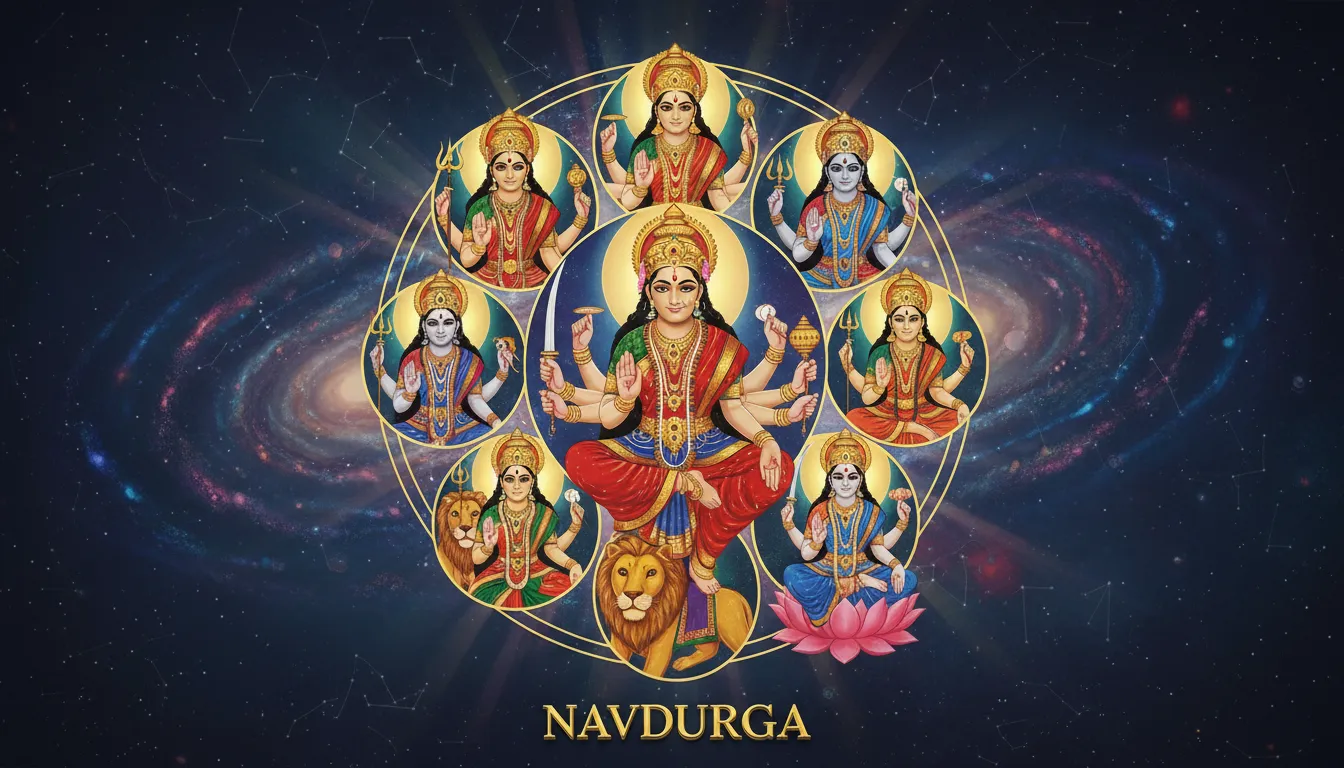
Maa Kaalratri is the seventh form of Goddess Durga and is worshipped on the seventh day of Navratri. Known as the destroyer of fear, negativity, evil forces, and obstacles, she is a powerful divine form associated with courage, protection, and spiritual awakening.
 By Ashish Kumar
3 min read
By Ashish Kumar
3 min read

Maa Kaalratri: Worship, Symbolism, Powers, and Spiritual Significance of the Seventh Form of Goddess Durga
Maa Kaalratri : कालरात्रि
माँ दुर्गा की सातवीं शक्ति कालरात्रि के नाम से जानी जाती हैं । दुर्गा पूजा के सातवें दिन माँ कालरात्रि की उपासना का विधान है । इस दिन साधक का मन 'सहस्रार' चक्र में स्थित रहता है । इसके लिए ब्रह्मांड की समस्त सिद्धियों का द्वार खुलने लगता है । देवी कालात्रि को व्यापक रूप से माता देवी - काली, महाकाली, भद्रकाली, भैरवी, मृत्यू, रुद्रानी, चामुंडा, चंडी और दुर्गा के कई विनाशकारी रूपों में से एक माना जाता है । रौद्री और धुमोरना देवी कालरात्रि के अन्य कम प्रसिद्ध नामों में हैं। माना जाता है कि देवी के इस रूप में सभी राक्षस, भूत, प्रेत, पिसाच और नकारात्मक ऊर्जाओं का नाश होता है, जो उनके अग्नि मन से पलायन करते हैं। सिल्प प्रकाश में संदर्भित एक प्राचीन तांत्रिक पाठ, सौधिकागम, देवी कालरात्रि का वर्णन रात्रि के नियंत्रा रूप में किया गया है।
सहस्रार चक्र में स्थित साधक का मन पूर्णतः माँ कालरात्रि के स्वरूप में अवस्थित रहता है। उनके साक्षात्कार से मिलने वाले पुण्य (सिद्धियों और निधियों विशेष रूप से ज्ञान, शक्ति और धन) का वह भागी हो जाता है। उसके समस्त पापों-विघ्नों का नाश हो जाता है और अक्षय पुण्य-लोकों की प्राप्ति होती है। देवी कालरात्रि को वो देवी बताया गया है जो हर दिन और रात्रि के रात्रि वाले भाग (दिन के रात्रि वाले भाग अर्थात रात्रि समाप्ति से सूर्य उदय तक का समय एवं सूर्य अस्त से रात्रि आने तक का समय एवं इस में दिन का वो भाग भी आता है जिस दिन किसी आंधी, तूफान या किन्ही अन्य कारणों से दिन के समय रात्रि जैसा अँधेरा हो जाता है। इसी तरह पूरी रात्रि का समय) को नियंत्रित करती है ।
माँ कालरात्रि ताज चक्र (सहस्रार चक्र) से जुड़ी हुई है, और वो आह्वानकर्ता, को सिद्धी और निधि (विशेष रूप से, ज्ञान, शक्ति और धन) प्रदान करती हैं। कालरात्रि हमेशा अपने भक्तों को शुभ परिणाम प्रदान करती है । इस धारणा के कारण ही वह शुभंकरी के रूप में भी जानी जाती है, जिसका अर्थ संस्कृत में शुभ या अच्छा है। ऐसा माना जाता है कि वह अपने भक्तों को निडर बनाती है। देवी कालरात्रि के अन्य कम ज्ञात नामों में रुद्ररी और धुमोरना शामिल हैं। इनके तीन नेत्र हैं। ये तीनों नेत्र ब्रह्मांड के सदृश गोल हैं। इनसे विद्युत के समान चमकीली किरणें निःसृत होती रहती हैं। माँ की नासिका के श्वास-प्रश्वास से अग्नि की भयंकर ज्वालाएँ निकलती रहती हैं। इनका वाहन गर्दभ (गधा) है। ये ऊपर उठे हुए दाहिने हाथ की वरमुद्रा से सभी को वर प्रदान करती हैं। दाहिनी ओर का नीचे वाला हाथ अभयमुद्रा में है। बायीं ओर के ऊपर वाले हाथ में लोहे का काँटा तथा नीचे वाले हाथ में खड्ग (कटार) है।
Goddess Kaalratri: The Fierce 7th Form of Navdurga
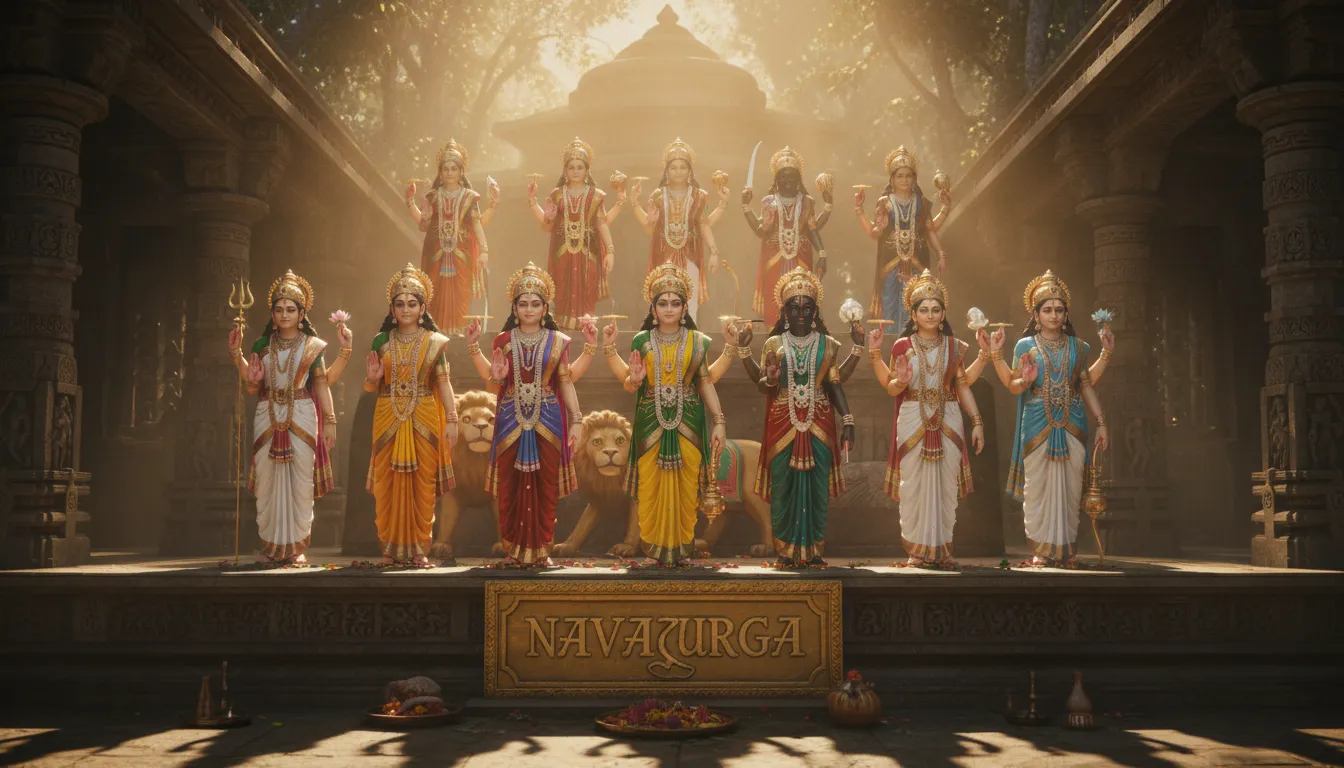
Goddess Kaalratri is worshipped as the seventh manifestation of Goddess Durga. Celebrated on the seventh day (Saptami) of Maha Navratri, Maa Kaalratri is revered as one of the most fierce, destructive, and powerful forms of the Divine Mother.
She is widely recognized across various traditions by many powerful names, including Kali, Mahakali, Bhadrakali, Bhairavi, Rudrani, Chamunda, Chandi, and Mrityu. Among her lesser-known Vedic names are Raudri and Dhumorna.
The Spiritual Significance of Saptami and the Sahasrara Chakra
During the seventh day of Durga Puja, a sadhak’s (spiritual seeker's) mind ascends to and resides in the Sahasrara Chakra (the Crown Chakra).
- Universal Awakenings: At this peak spiritual stage, the doors to all universal achievements, Siddhis, and divine energies begin to open.
- Devotion and Absorption: The seeker’s mind becomes completely absorbed in the form of Maa Kaalratri.
- Divine Rewards: By attaining her divine vision, the devotee is blessed with immense virtues, specifically gaining Gnyana (knowledge), Shakti (power), and Dhan (wealth).
- Karmic Cleansing: Worshipping her destroys all sins, removes obstacles, and grants access to eternal, blissful realms (Akshaya Punya-Lokas).
The Controller of Darkness and Time
According to the Saudhikagama, an ancient Tantric text referenced in the Silpa Prakasha, Goddess Kaalratri is designated as the absolute controller of the night.
Her dominion spans over:
- The entire night cycle.
- The transition phases of twilight (from late night to sunrise, and from sunset to nightfall).
- Any unnatural darkness that occurs during the day due to storms, tempests, or eclipses.
Why is Maa Kaalratri Called 'Shubhankari'?
Despite her terrifying and formidable appearance, Maa Kaalratri always bestows auspicious and benevolent results upon her devotees. Because she ensures ultimate good fortune and well-being, she is lovingly known as Shubhankari (the one who brings auspiciousness or Shubh in Sanskrit).
Her divine presence eradicates the fear of darkness, evil spirits, and ghosts. She makes her devotees entirely fearless, protecting them from all negative energies, which flee instantly from her fiery wrath.
Iconography and Appearance of Goddess Kaalratri
The physical form of Maa Kaalratri is filled with intense cosmic energy, described vividly in ancient scriptures:
- The Three Eyes: She possesses three eyes that are as round as the universe itself. Radiant, lightning-like rays continuously emanate from them.
- Fiery Breath: Large, terrifying flames of fire emerge from her nostrils as she breathes.
- Divine Mount: Her chosen vehicle (Vahana) is a Gardabha (Donkey).
- The Four Hands (Mudras and Weapons):
-
- Upper Right Hand: Held in the Vara Mudra, bestowing blessings and boons upon all.
- Lower Right Hand: Held in the Abhaya Mudra, granting fearlessness and protection to devotees.
- Upper Left Hand: Holds a sharp iron thorn/hook.
- Lower Left Hand: Holds a fierce Khadga (cleaver/dagger).
-
Summary Table: Quick Facts About Maa Kaalratri
| Attribute | Details |
| Navratri Day | 7th Day (Maha Saptami) |
| Associated Chakra | Sahasrara Chakra (Crown Chakra) |
| Key Blessings | Fearlessness, Knowledge, Power, and Wealth |
| Alternative Names | Shubhankari, Kali, Raudri, Dhumorna |
| Vahana (Vehicle) | Donkey (Gardabha) |
Keep Reading
View All Articles-
Hindu Mythology: Celestial Beings & Sacred Deities
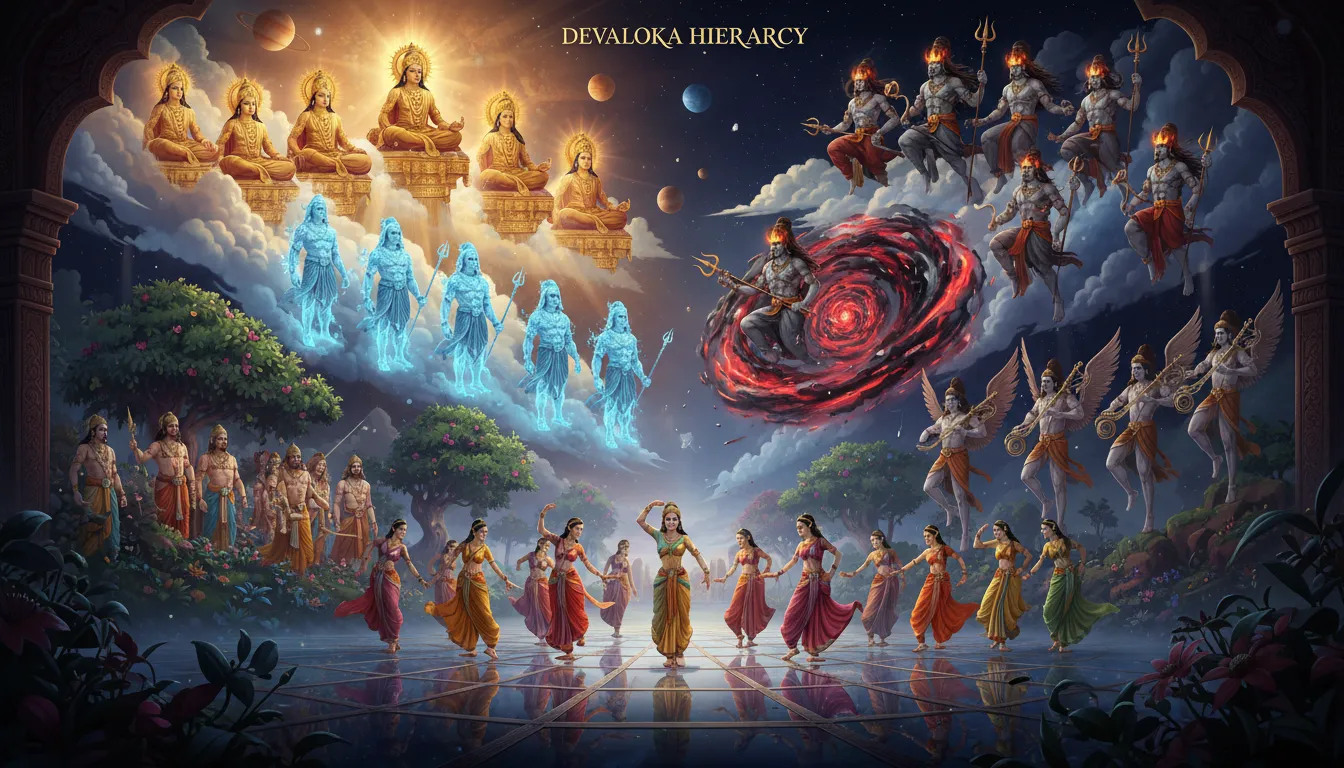
Explore the hierarchy of celestial beings in Hindu texts, including the 12 Adityas, 8 Vasus, 11 Rudras, Yakshas, Gandharvas, and Apsaras
-
Ayurveda Mind-Body Connection: Sutrasthana
Discover Ashtanga Hridayam Sutrasthana Chapter 1. Learn how Ayurveda links mental stress, jealousy, and anxiety to physical chronic illness.
-
Karma Ka Siddhant: Understanding the Law of Karma, Action, and Results in Indian Philosophy
Read about Karma Ka Siddhant and its timeless message on action, consequences, responsibility, and spiritual growth. This article explains the law of karma in simple language, connecting it with Indian philosophy, ethical living, and self-development. A helpful resource for students, seekers, and readers interested in dharma and spiritual wisdom.